
New village settlements – meeting rural housing need
By Sally Ormiston & James Ellis | 30.03.26
As planning reforms bite, could a new model of small scale rural settlements be part of the answer to meeting housing need and ensuring the sustainability of rural communities?


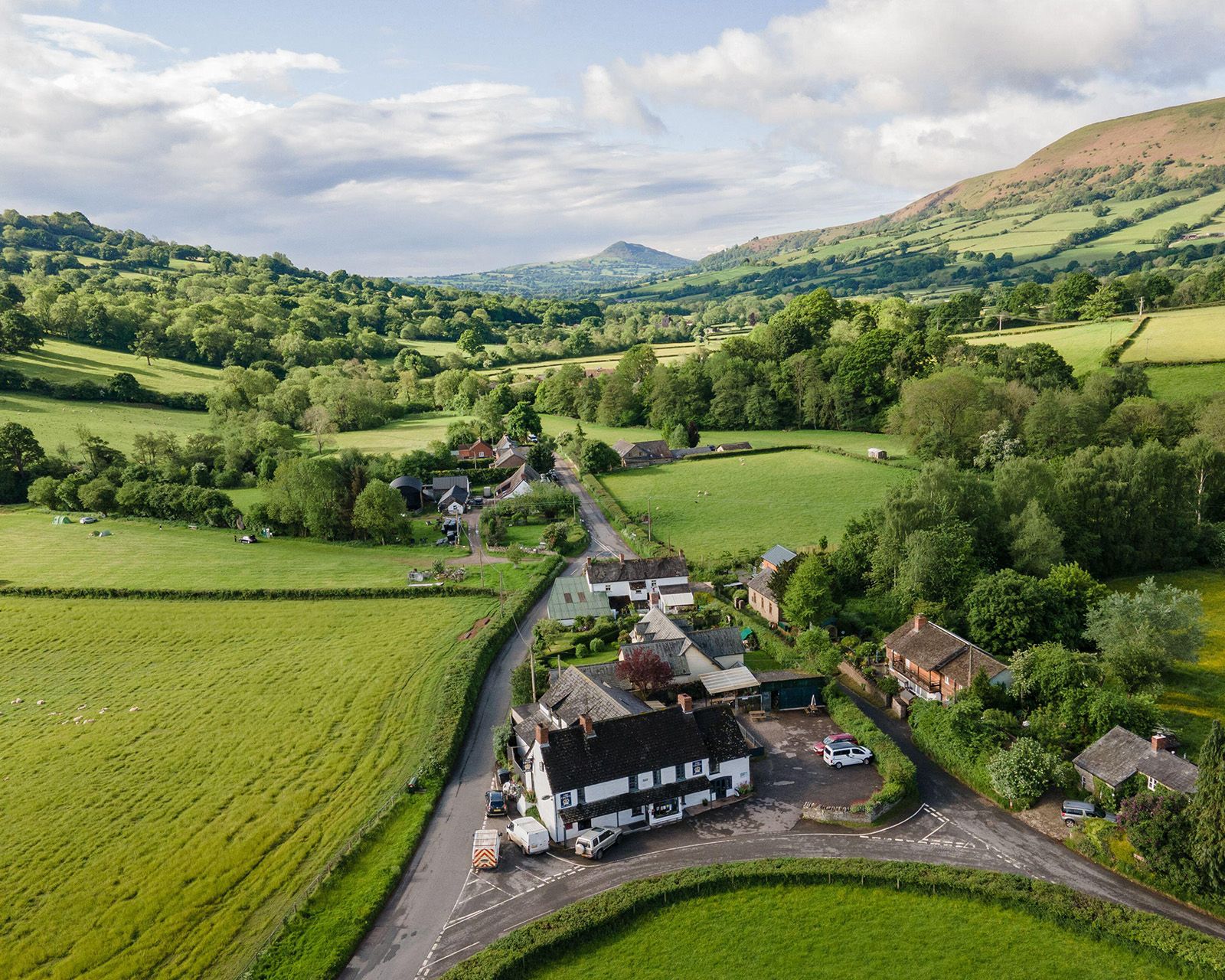
Earlier this year, the Government launched a consultation on its New Towns Draft Programme, which is its response to the recommendations made by the New Towns Task Force following a year‑long investigation into how new settlements could help address housing need and support economic growth.
It has been 55 years since the UK last designated a new town, yet the country’s 32 existing new towns now house 2.8 million people and include some of the fastest‑growing local economies. On that foundation – and with ongoing pressure for housing and growth, new towns are back on the agenda. the Task Force has identified 12 potential locations for new towns across the UK and offered recommendations on how they could be designed and delivered.
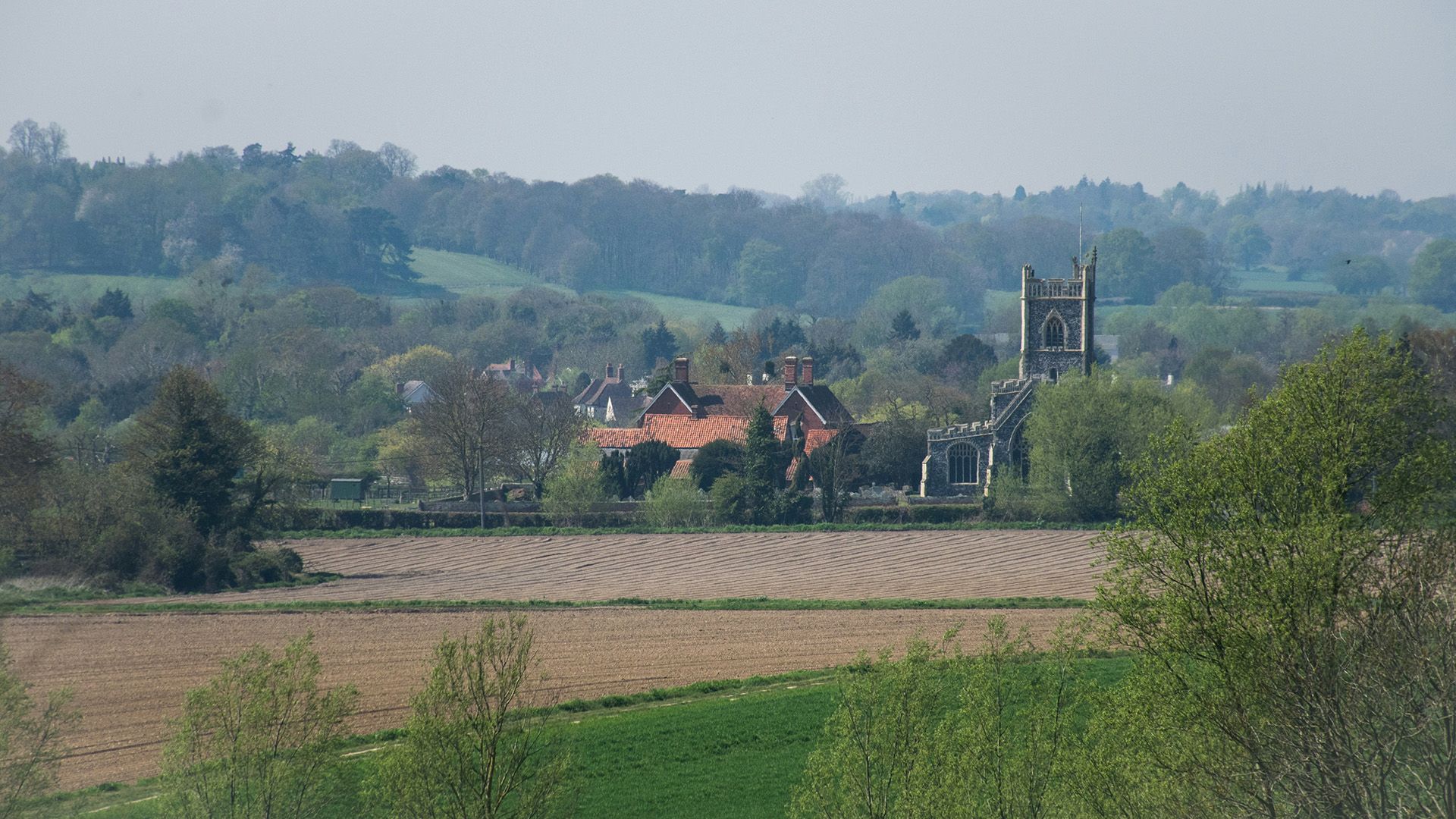
Urban extensions vs. traditional new towns
The New Towns Draft Programme puts forward seven of these as preferred locations for consultation. These have sparked debate – not just about where they are, but also around the definition of a new town. Only one of the seven constitutes a truly ‘new town’ - a standalone settlement - with the rest a combination of urban extensions, inner city regeneration, and major city-edge developments.
There is logic to this – both in terms of appropriate locations for developments of this scale, and the deliverability of them. Urban extensions already in the planning pipeline usually have land assembly in place, giving them a head start with faster and more certain delivery potential.
By contrast, true new towns - typically of tens of thousands of homes - can take decades to deliver, require major infrastructure investment, and raise understandable concerns about the long‑term impact on surrounding communities and landscape.
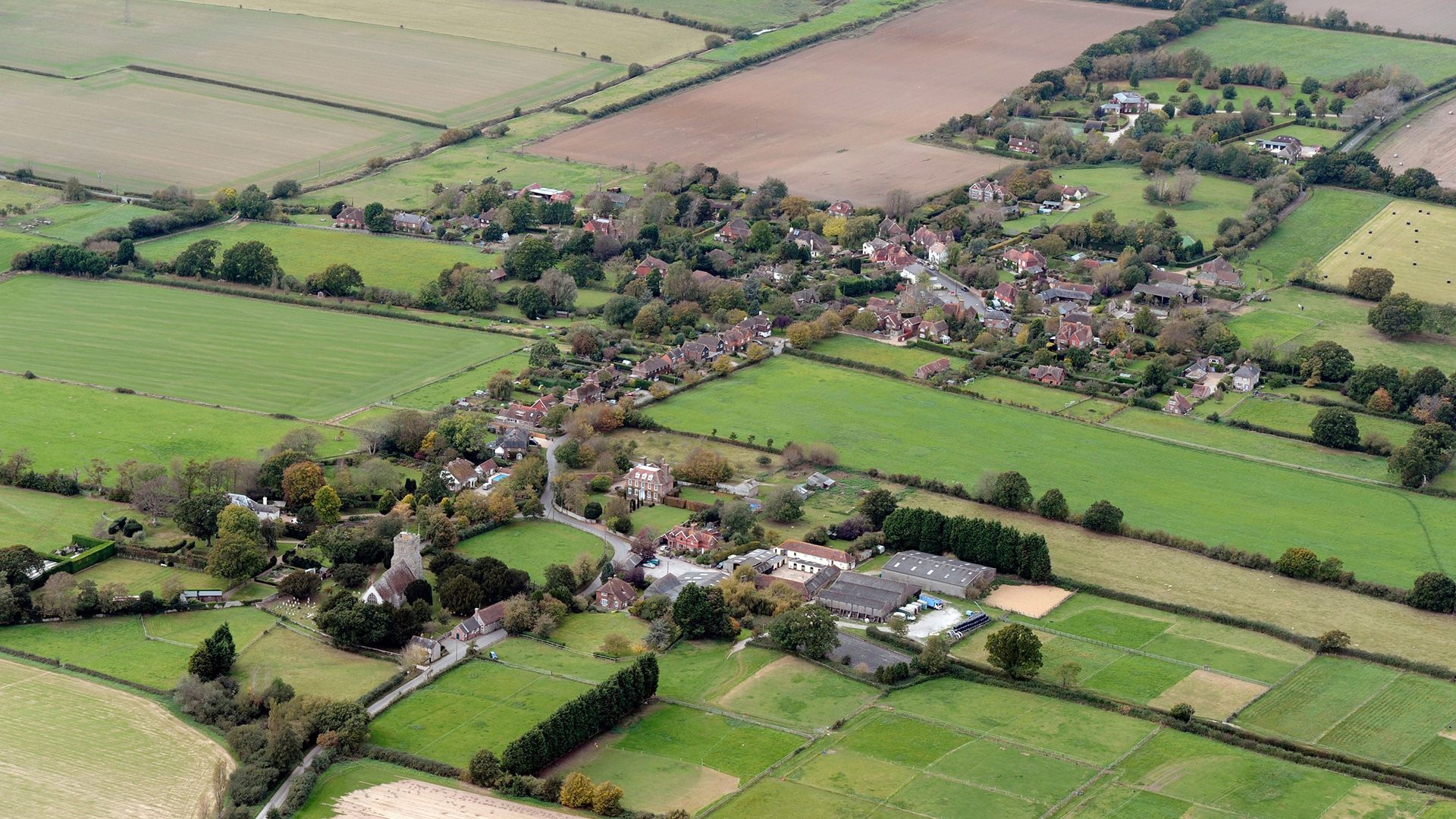
The rise of smaller ‘garden community’ settlements
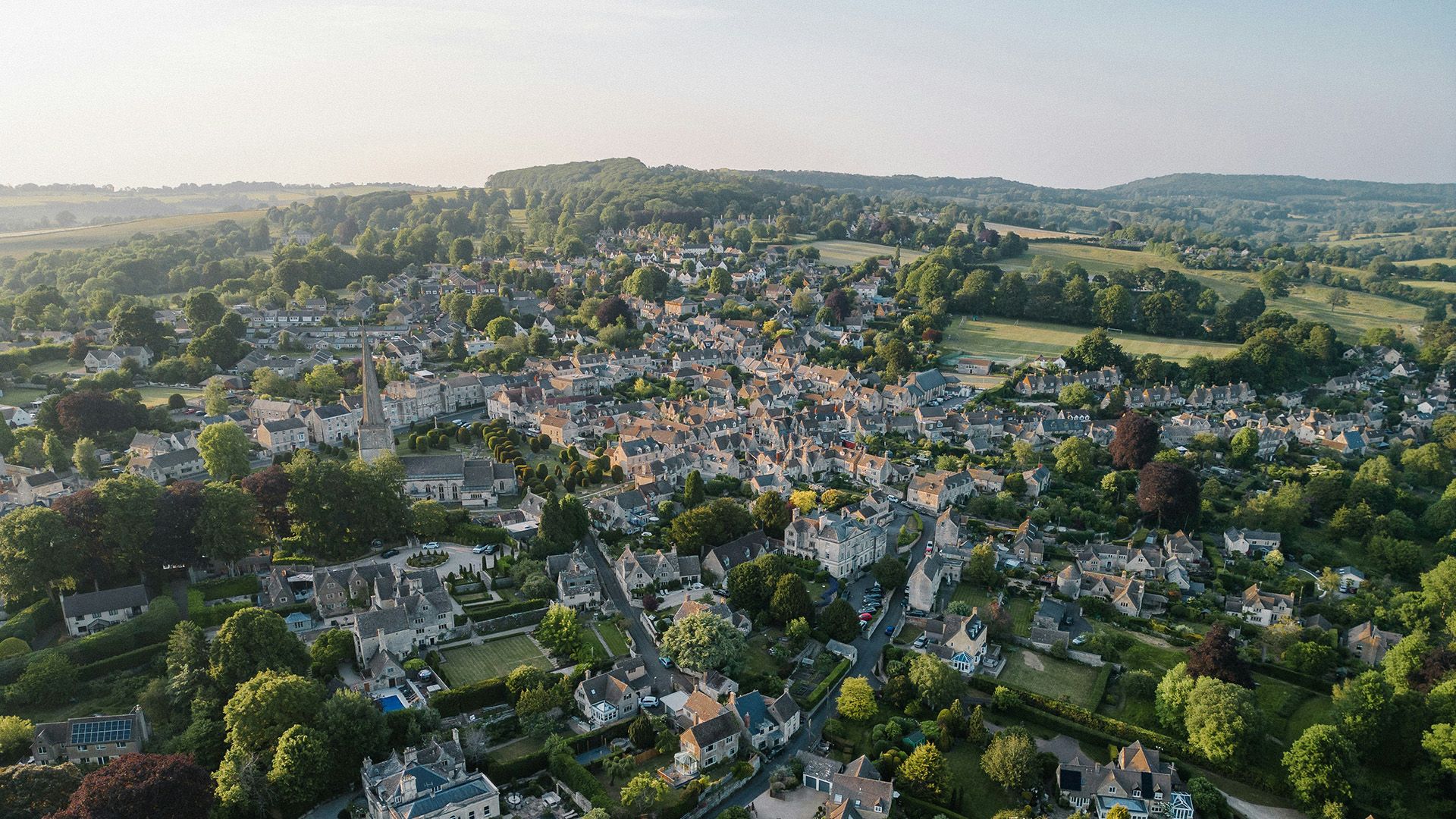
Recognising the historic challenges in delivering new towns, another concept emerged – smaller, village‑scale new settlements, often branded as garden communities. Around 80 such schemes (typically 1,500+ homes) are currently at the planning or approval stage across rural England. These modern village-style developments aim to deliver homes in a greener, more locally integrated way that fits better with rural landscapes.
However, despite government backing, the progress of these smaller schemes has been slow. Of the 14 garden village locations announced a decade ago, none have been completed; only a few have full planning consent, and just a handful have begun construction. Even at this reduced scale, new settlement delivery remains a long, complex, and costly undertaking.
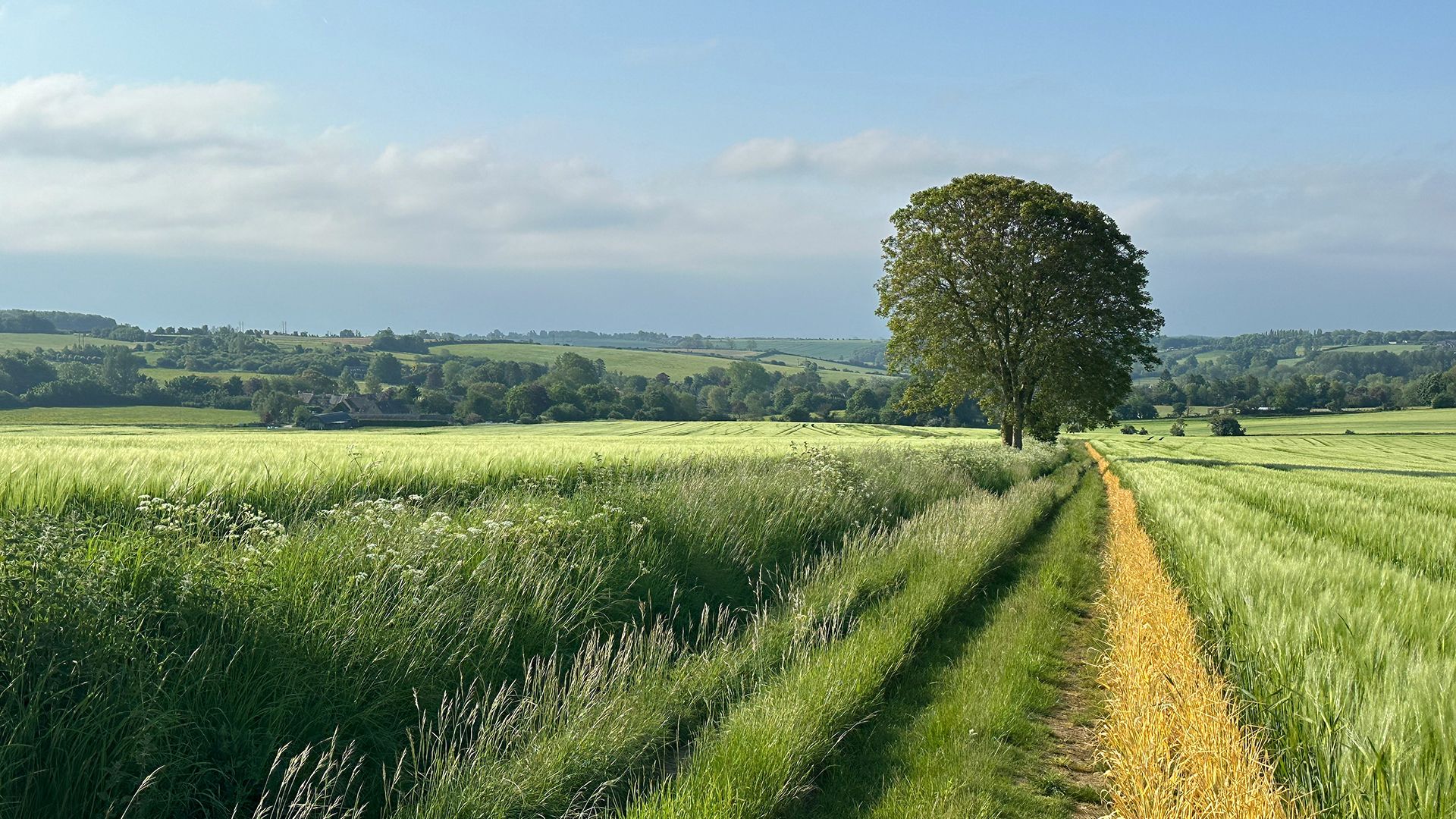
A contemporary take on small rural villages
A key constraint on new settlement delivery is the argument that schemes need to be large enough to fund significant infrastructure and support all their own services- for example, secondary schools, and in some cases, train stations. Yet this scale is often what makes delivery so difficult, and so controversial.
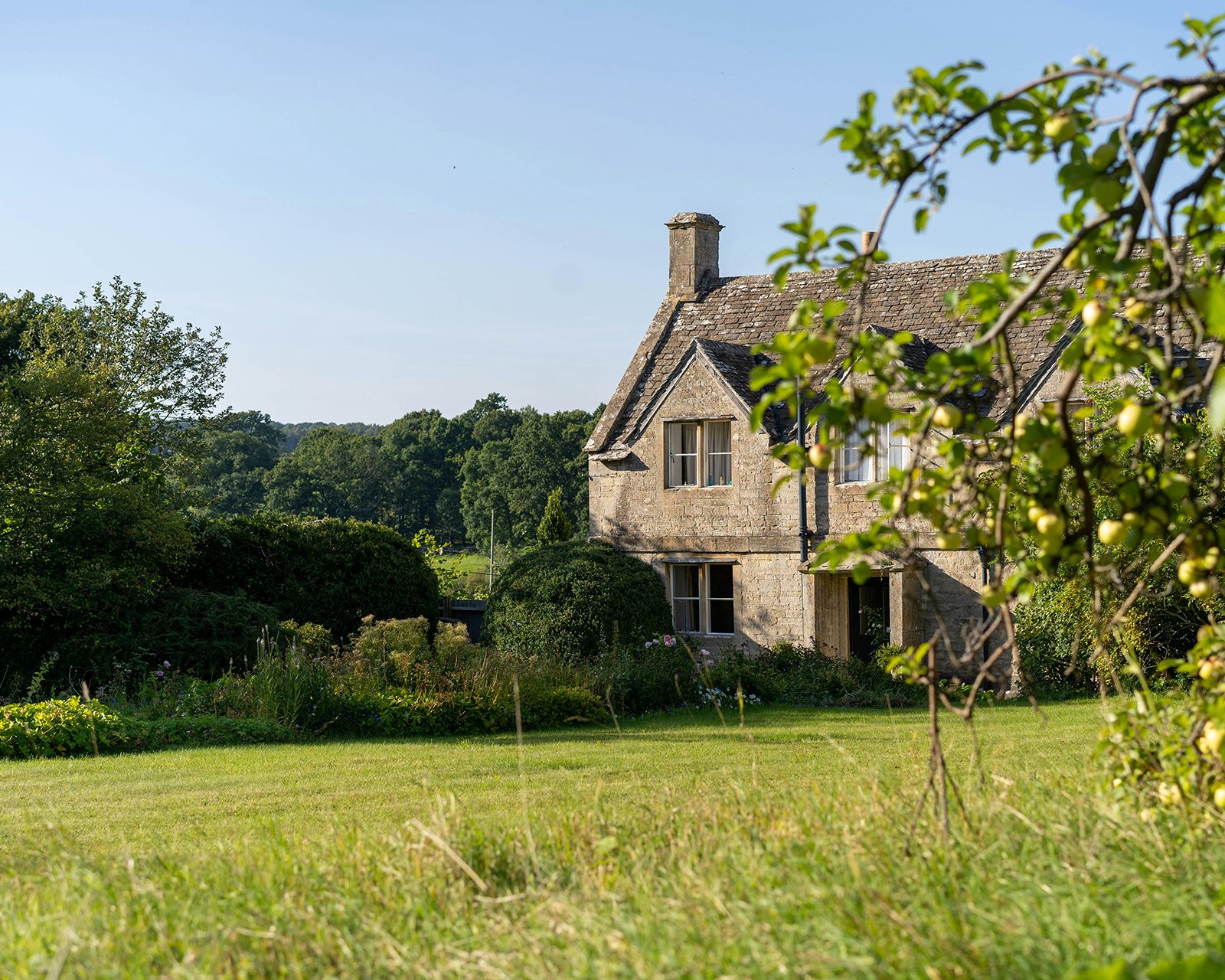
What if there was an alternative? Small rural villages of hundreds of homes, forming part of a wider network of settlements. Instead of each new community having to provide every service, these smaller settlements could complement neighbouring villages - together forming a resilient ecosystem of rural services.
This model is particularly relevant where existing villages have declining school rolls, loss of shops, pubs and other amenities, ageing populations, and limited affordable housing; and historic interest whereby its character would be eroded by the introduction of new homes.
A well‑designed new village can bring younger households, support local schools, create demand for services, and provide much‑needed affordable homes.

Purpose‑designed rural development
What are the advantages of purpose-built small settlements?
- Sustainable design from day one
- Green and blue infrastructure integrated into layouts
- Modern construction and energy approaches
- A contemporary, high‑quality interpretation of rural vernacular design
- A provision of missing or lost services and business space from a rural area at a scale proportionate to the size of the new place
Being standalone, rather than extensions to existing villages, also ensures more deliberate thinking about relationships with neighbouring communities, landscape setting, and movement patterns.
Universal challenges remain
Access to public transport, utilities, digital connectivity, services, and employment are common challenges across all types of rural development. With strong local authority support and appropriate delivery mechanisms, small new villages can strike a balance between achieving meaningful housing numbers, minimising the impact on existing neighbours, and strengthening the wider rural settlement network with a range of shared services.
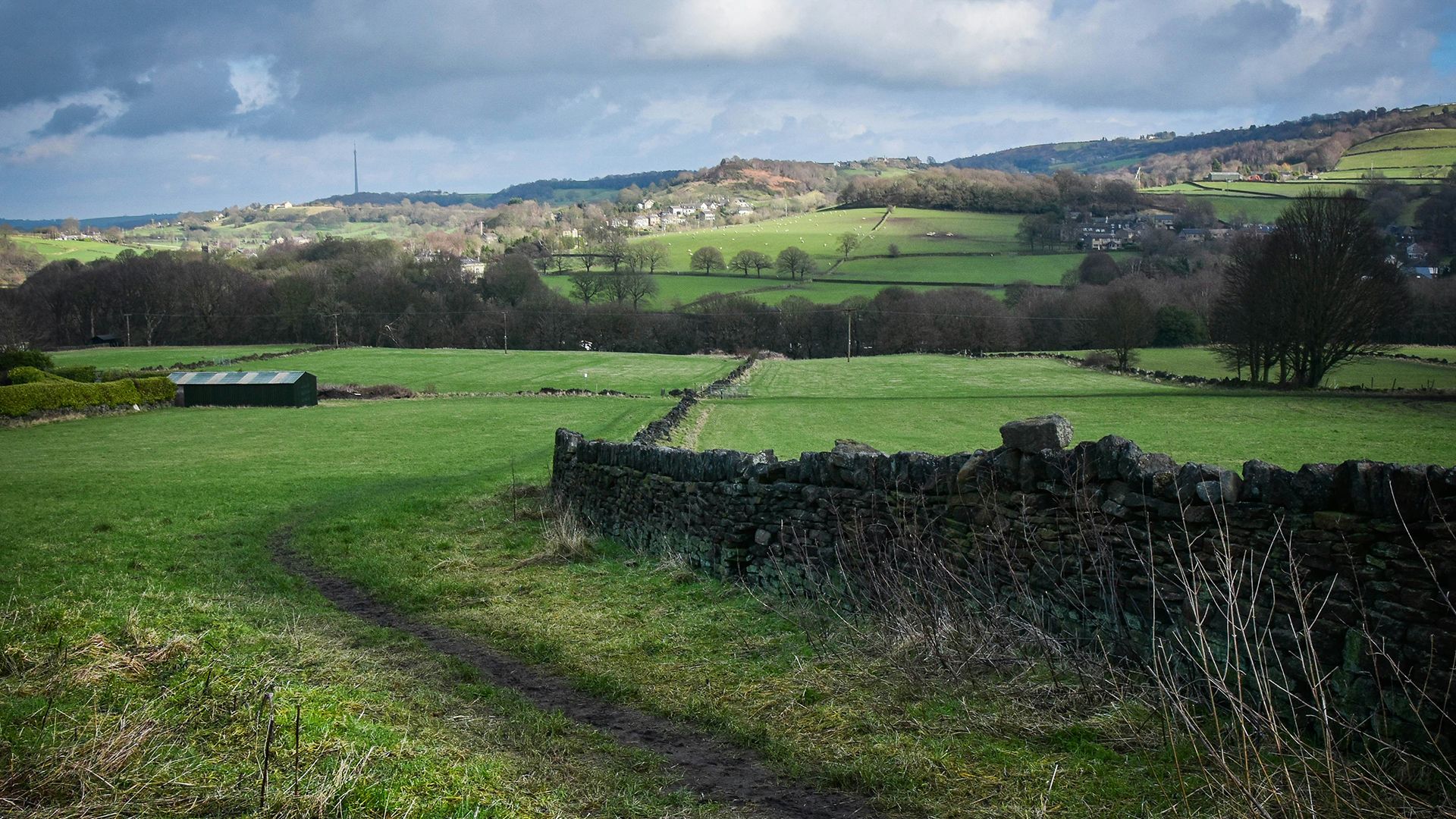
Small settlements also reduce risks around land assembly. With sites more likely to be in single ownership, delivery is simpler, and landowners – often with deep local ties, can take a leading, long‑term stewardship role.
Planning reform and strategic need
With the Government now nearing completion of major planning reforms, every local authority will soon have to demonstrate how it will meet its housing needs. In high‑constraint rural authorities – those with extensive Green Belt or protected landscapes, small rural settlements may form an essential part of the solution.
At Rural Solutions, we are working with several rural landowners in consultation with local councils to explore this approach. Early feedback already shows innovative small settlement proposals are being well received. Crucially, delivery relies on collaboration between public and private sectors, long‑term commitment, and a willingness to embrace a more contemporary model of rural placemaking.
Act now
If you’re a landowner interested in exploring whether your land could play a role in the next generation of rural settlements, now is the time to start the conversation. Get in touch with the team at info@ruralsolutions.co.uk to discuss emerging opportunities and how strategic promotion could unlock long‑term value for you and your community.
Find out more
Read about how we are working with clients to meet rural housing need in our rural settlements reimagined case study.
Sally Ormiston is a Director at Rural Solutions
James Ellis is a Director in the Planning team at Rural Solutions
You might also be interested in...



We are using cookies to give you the best experience on our website. You can find out more about which cookies we are using on our cookie policy.