
The Land Use Framework – what does it mean for rural landowners?
By Rural Solutions | 26.03.26
The Government’s new National Land Use Framework (LUF) for England marks one of the most significant policy moments for the land based sector in more than a decade.


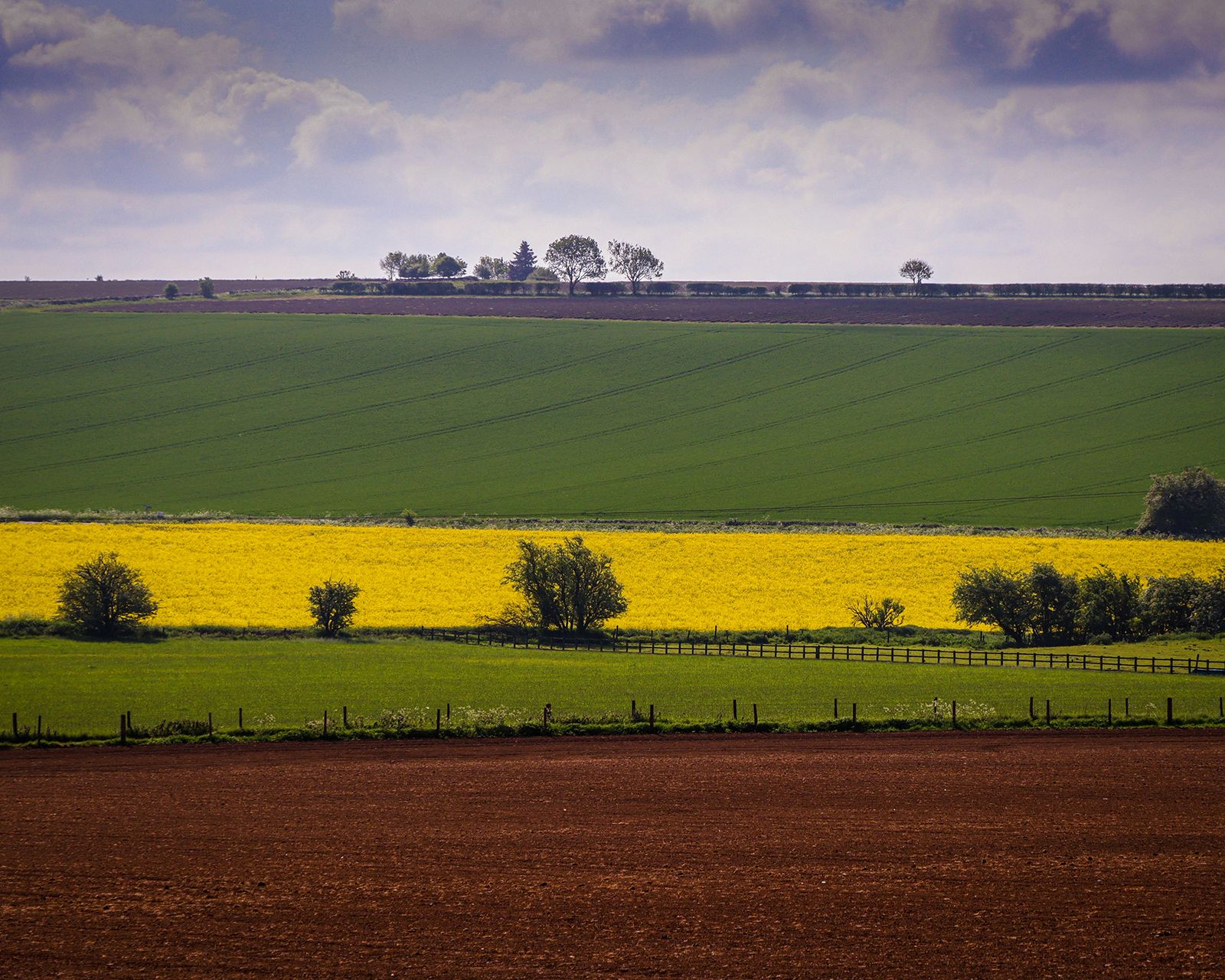
While the framework isn’t statutory and will not dictate what individual parcels of land should be used for, it will shape the landscape in which decisions are made; particularly through emerging regional spatial strategies and strengthened planning for nature through Local Nature Recovery Strategies.
For landowners, the primacy of private decision‑making remains intact, but the context in which those decisions will be taken is shifting - and this shift brings both challenge and opportunity.
A new kind of national direction
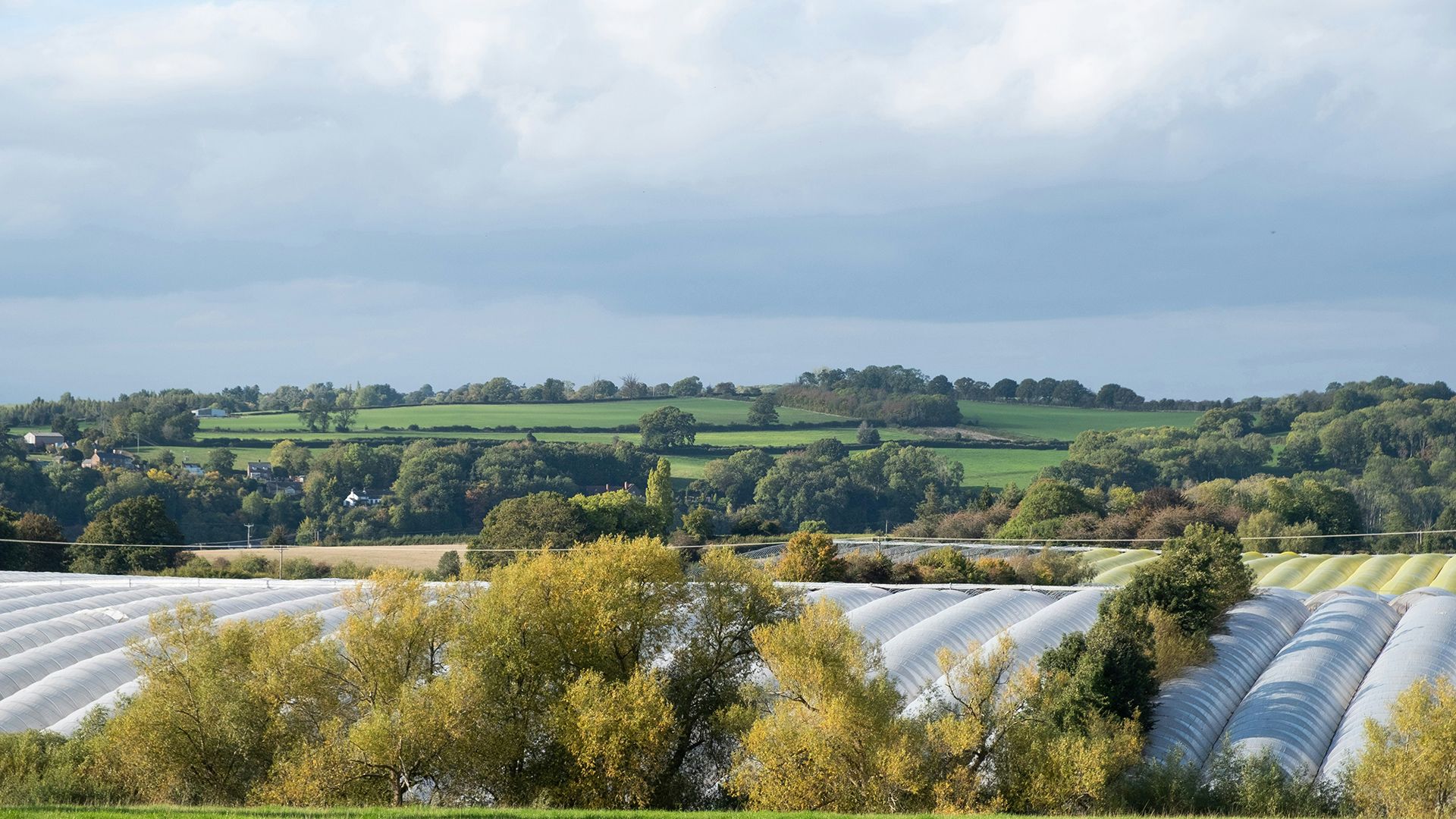
In the UK we are asking more from the land than ever before, and the Framework responds to this long‑recognised reality. Food security, climate adaptation, nature recovery, clean energy, housing, and community access all require space - and the Framework is the first national attempt to quantify how much land will need to change use and where.
The Government’s analysis concludes around 15 per cent of England’s current farmed land will need to transition into other uses during the coming decades. The remaining 85 per cent will be expected to deliver more food and more efficiently - supported by new soil data, refreshed Agricultural Land Classification and sector‑specific growth plans.
The influence on planning
Although ministers stress that the LUF is not part of the statutory planning system, its influence will be felt.
Regional spatial strategies, Local Nature Recovery Strategies, and the Nature Restoration Fund are expected to reflect the LUF’s priorities. Decisions on development, environmental funding and infrastructure will increasingly align with this shared evidence base.
In practice, this means land-based businesses should expect:
- More spatial targeting of incentives and environmental schemes
- Clearer signals about the most supported futures for particular land types
- Gradual alignment of local plan policies with the Framework’s principles
Landowner autonomy with rising expectations
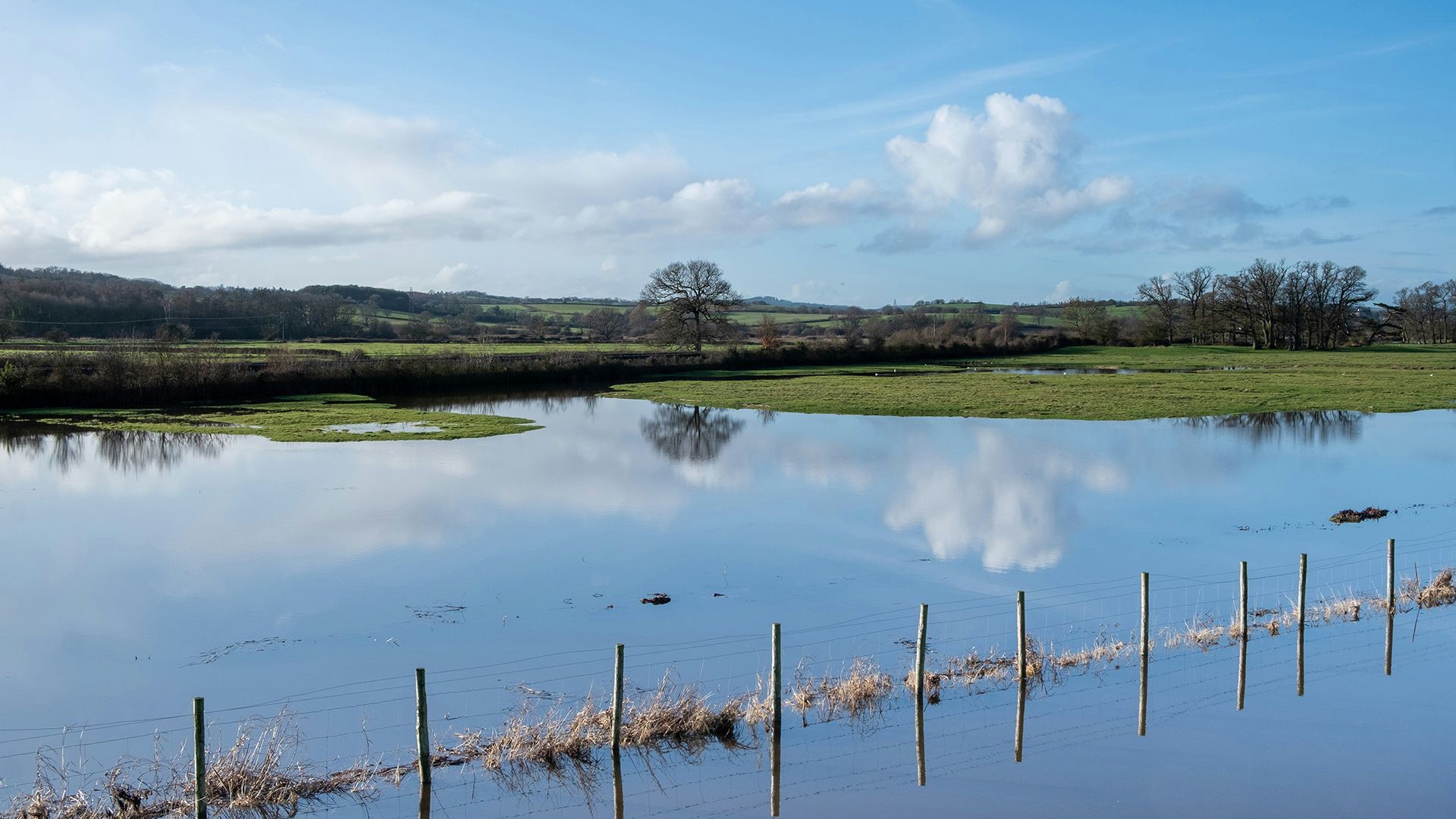
The Framework reaffirms that landowners remain in control of how their land is used. However, it signals a shift toward higher expectations, with changes in land use encouraged through collaboration and incentives rather than imposed through the planning system. At the same time, there is an established public and political expectation that private land should contribute to publicly sought outcomes - whether through carbon sequestration, biodiversity, flood mitigation, energy, access, or food security. The Framework embeds this moral dimension explicitly - land should deliver for society as well as for business and individual owners.
What should landowners do now?
Our advice is to stay informed and be proactive.
The Framework will work best for land managers who:
- Understand the changing evidence base for land suitability
- Can align business decisions with emerging spatial priorities
- Are ready to explore alternative income streams in nature markets, energy, and multifunctional land use
- Want to stay ahead of regulatory and community expectations
For rural businesses, the Framework should be seen not as a constraint but as a strategic guide - one that helps future-proof decisions in a time of rapid change. Its influence is set to grow as regional and local planning bodies begin to embed it within their long-term strategies.
To access the Land Use Framework document, visit the Defra website here.

Join our briefing - register your interest
Given the potential significance of the LUF on land use decisions, it's vital that landowners consider the implications. We will be hosting a briefing on this, specifically for landowners, so please register your interest by emailing events@ruralsolutions.co.uk and we’ll be in touch with details in due course.
You might also be interested in...





We are using cookies to give you the best experience on our website. You can find out more about which cookies we are using on our cookie policy.