
Retrofit or ruin
By Malcolm Birks | 03.11.26
"The past is not dead, it is living in us, and will be alive in the future which we are now helping to make." William Morris


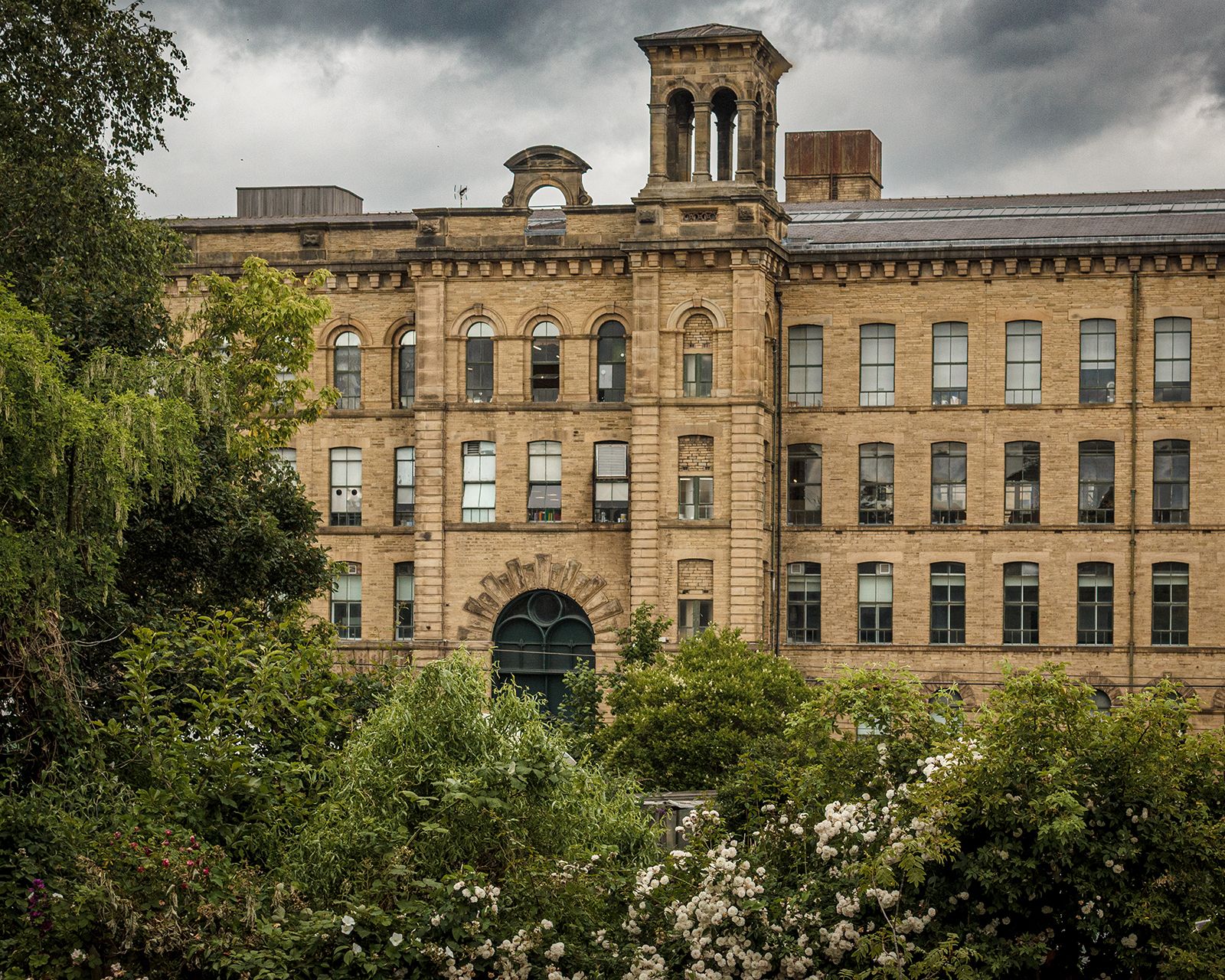
Gaining planning consent for retrofit works to listed buildings and other historic assets has been a minefield for decades. Historically, conservation considerations, heavily backed by rigid Heritage Impact Assessments, have stressed the theoretical ‘harm’ that proposed changes bring, while ignoring the long-term environmental and structural benefits.
In my experience, the attitude displayed by certain Conservation Officers and representatives from Historic England has reflected an almost militant, purist conservation mentality. Sensible, pragmatic conversations have been desperately lacking, and the net effect has too often been deadlock; projects cannot proceed, and irreplaceable heritage assets are left to further decay.
On one project involving a listed Georgian building, timber replacement sash windows fitted with double-glazing were proposed specifically to improve energy efficiency. The initial reaction of the Conservation Officer was an outright rejection, citing a catastrophic ‘loss of original fabric’.
What made this refusal absurd was that the existing windows were non-historic replacements installed in the early 1990s. It was only after sustained efforts to make the case, coupled with holding the Council accountable to its own declared climate emergency commitments, that a panel finally permitted the upgrades.
Cases like this highlight why recent revisions to the National Planning Policy Framework (NPPF) are so vital.
The updated framework explicitly stipulates that retrofit measures must be evaluated as clear ‘public benefits’.
The new policy reads: "Important public benefits can include securing the long-term reuse of a vacant or underused listed building and enabling energy efficiency and low carbon heating measures to be employed."
This regulatory shift aligns with growing advocacy across the property sector. The Duke of Westminster has emerged as a leading voice calling for a modernised approach.
Managing a property portfolio containing a significant portion of England’s approximately 350,000 listed buildings, his team estimates that retrofitting these structures could generate £35 billion in economic output.
Furthermore, fabric improvements across conservation areas, affecting 2.8 million homes, could save up to 30 per cent of the UK’s annual carbon budget. To unlock this potential, experts recommend introducing streamlined Local and National Development Orders, alongside expanding specialist training for traditional construction trades in retrofit skills.
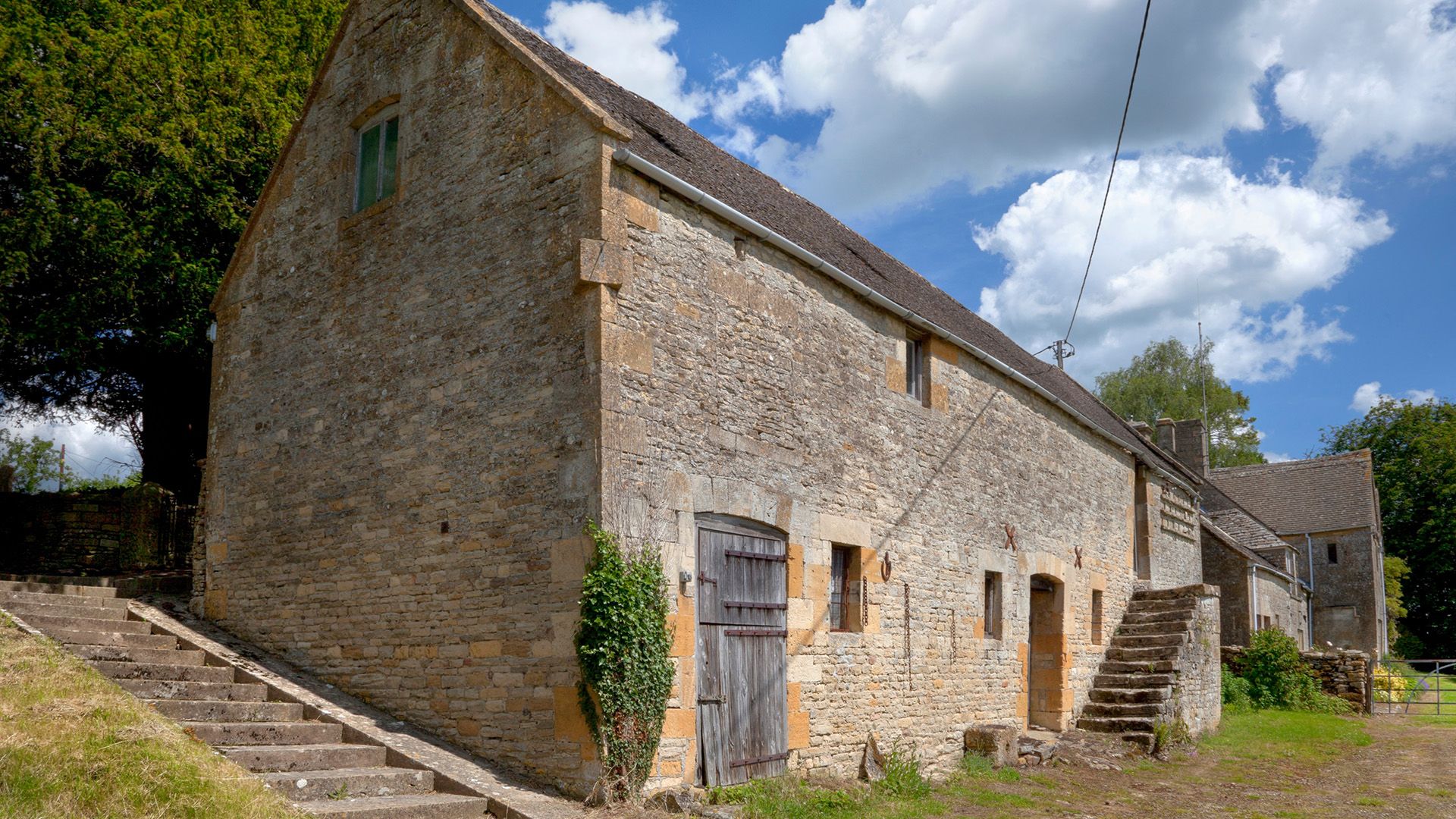
Preserving character must no longer mean freezing buildings in time at the expense of their survival. The challenge issued by William Morris is more urgent today than ever; we must foster sensible, collaborative dialogues at every level of planning. A reflexive, blanket ‘no’ is no longer acceptable if we are to safeguard our heritage for the future and meet our climate change obligations.
Malcolm Birks is Head of Design at Rural Solutions
You might also be interested in...




We are using cookies to give you the best experience on our website. You can find out more about which cookies we are using on our cookie policy.