
What planning reform means for rural property buyers
By Duncan Hartley | 28.10.26
In a recent article for property buying agents Prime Purchase, Duncan Hartley discusses the recent changes to England's planning policy framework.


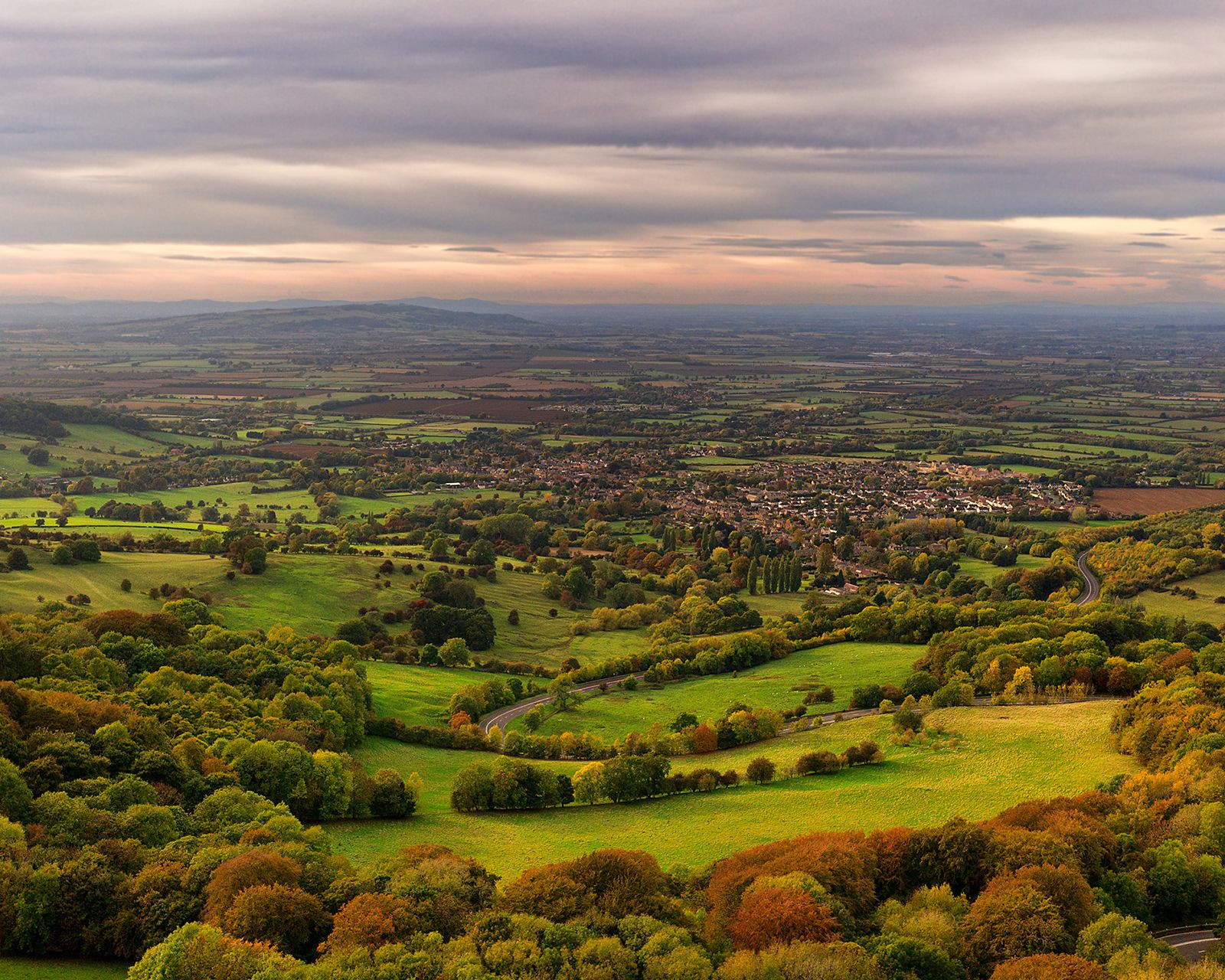
Planning reform: what does it mean for rural property buyers?
Planning policy can have a significant bearing on the value, use, and future potential of a property. For anyone buying a country house, estate, or substantial rural asset, understanding what may, or may not, be possible in planning terms is therefore an important part of due diligence.
There has been a significant change in England’s planning policy landscape. The Government published a revised National Planning Policy Framework (NPPF) on 17 August 2026, alongside wider measures intended to create a more consistent and rules-based planning system.
So, what does this mean in practice for rural property buyers?
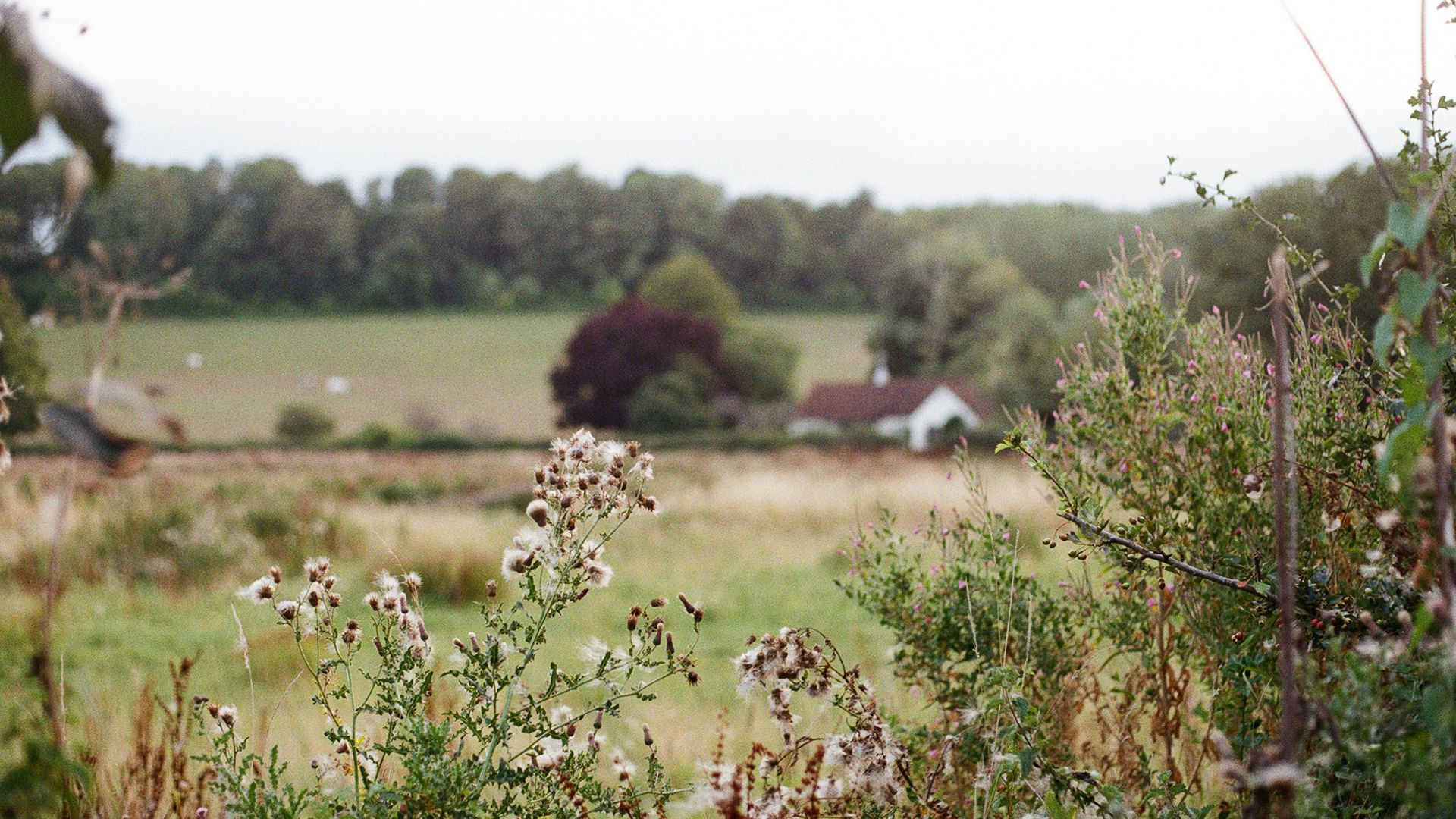
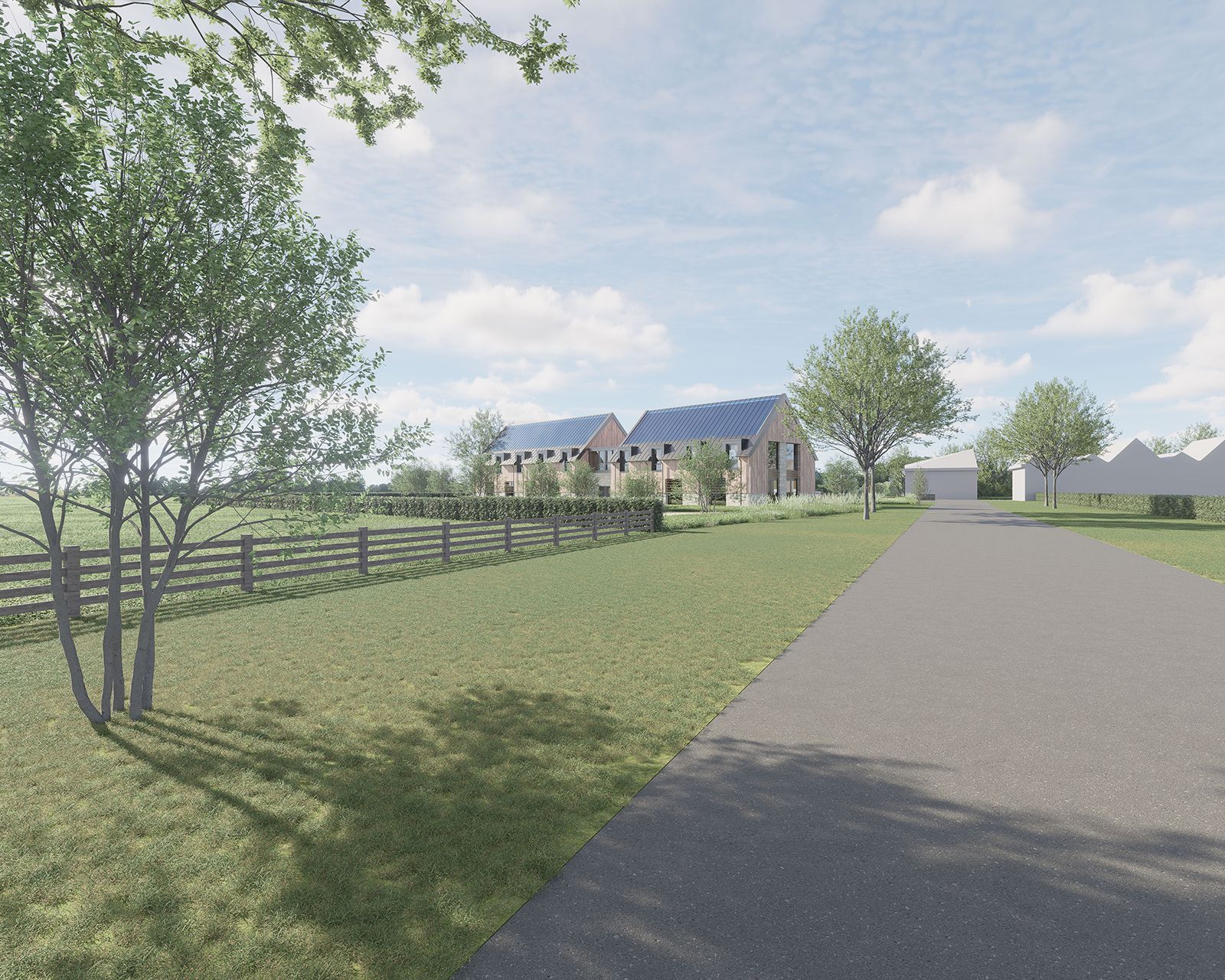
More opportunities for rural housing
One of the most significant changes is a more positive policy approach to housing in and around settlements. The new NPPF states all villages outside the Green Belt should be considered sustainable locations for proportionate housing growth, while also supporting development on sites in and on the edge of villages.
There is also support for some smaller-scale housing opportunities, including limited infilling within groups of houses, as well as greater scope for homes on previously developed land outside settlements.
For a buyer considering a property with substantial grounds, neighbouring land, or an existing collection of buildings, this could change the planning context. A site that may previously have been considered unsuitable for housing could now warrant a fresh assessment.
It could also have a generational benefit. For example, a country property that has previously offered little prospect of additional homes may now present opportunities to create accommodation for children or the next generation, allowing families to remain closer together.
That does not mean planning permission will automatically be granted. Highway access, flooding, landscape impact, ecology, design, and other technical matters still need to be addressed, while policies protecting the countryside and sensitive landscapes remain important.
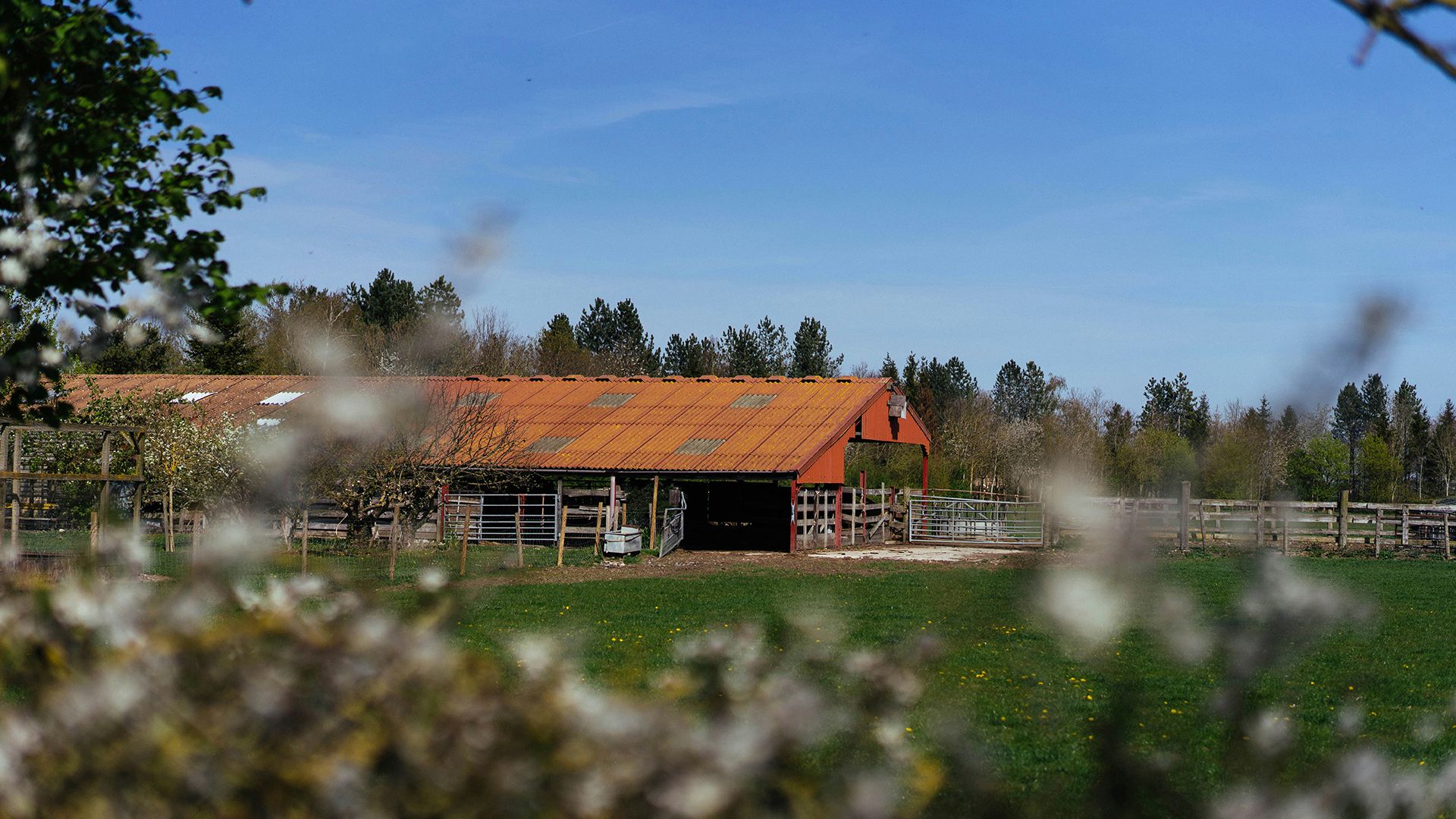
A stronger focus on rural businesses
The changes also strengthen support for rural economic development. The new national policy gives substantial weight to rural business schemes, including farm diversification, leisure and tourism, local shops and services, and the reuse of existing buildings. Well-designed new buildings can also be supported where they are appropriate to their rural location.
For purchasers looking to establish or expand a business from a rural property, this could create opportunities that were previously more difficult to pursue. The wider principle of this is important, as the Government is seeking to enable rural economies to contribute more strongly to economic growth, while recognising that some businesses need to operate outside settlements.
The potential threats
Planning reform is not simply about creating opportunities. What becomes more possible for one landowner may also affect another.
The new NPPF gives substantial weight to the benefits of renewable energy for example, and provides stronger policy support for clean energy schemes, including small-scale and community projects.
For someone buying a rural property because of its views, privacy or setting, the potential for development on neighbouring land is therefore something worth understanding.
Protected landscapes continue to benefit from strong policy protection, and development within them still faces a high bar. However, protection does not mean that all development is ruled out, particularly where proposals are small-scale and sensitively designed.
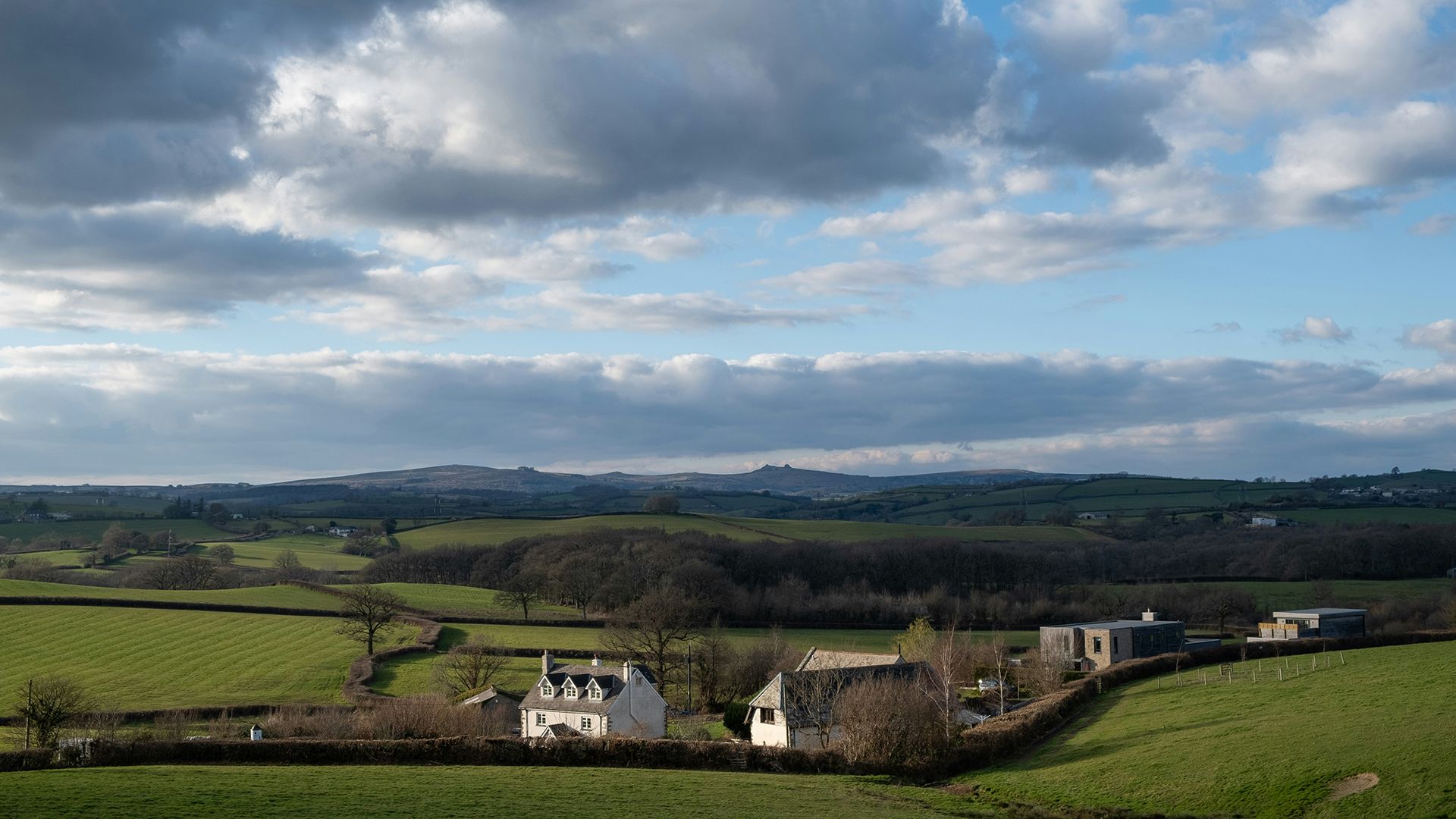
What should buyers do?
The key message is that planning due diligence should form part of the buying process, particularly for significant rural properties.
The revised NPPF applies immediately, and where existing development plan policies are materially inconsistent with the new national decision-making policies, they should generally be given very limited weight, subject to the circumstances set out in the Framework.
This makes it particularly important not to rely solely on an old planning refusal, an existing local policy or what may have been considered possible several years ago.
At Rural Solutions, we can assess the planning history of a property and its surrounding area, looking at previous applications, refusals, development proposals, and the current policy position. This helps buyers understand both the opportunities and potential risks before they commit to a purchase.
Planning policy will continue to evolve, and our role at Rural Solutions is to help clients understand what the current rules could mean for the property they are considering, and what might happen around it in the future. For buyers of rural property, that insight can be just as important as understanding the house itself.
Duncan Hartley is a Director in the Planning team at Rural Solutions.
This article was originally published by Prime Purchase on 22nd October 2026.
Prime Purchase is one of the leading buying agents in the UK. They specialise in sourcing truly exceptional homes.
Categories:
PlanningYou might also be interested in...



We are using cookies to give you the best experience on our website. You can find out more about which cookies we are using on our cookie policy.