
A boost to rural housebuilding
By James Ellis | 03.09.26
How will planning reform enable the delivery of more homes for rural communities? James Ellis, Director of Planning at Rural Solutions looks at what the new National Planning Policy Framework means for rural housebuilding.


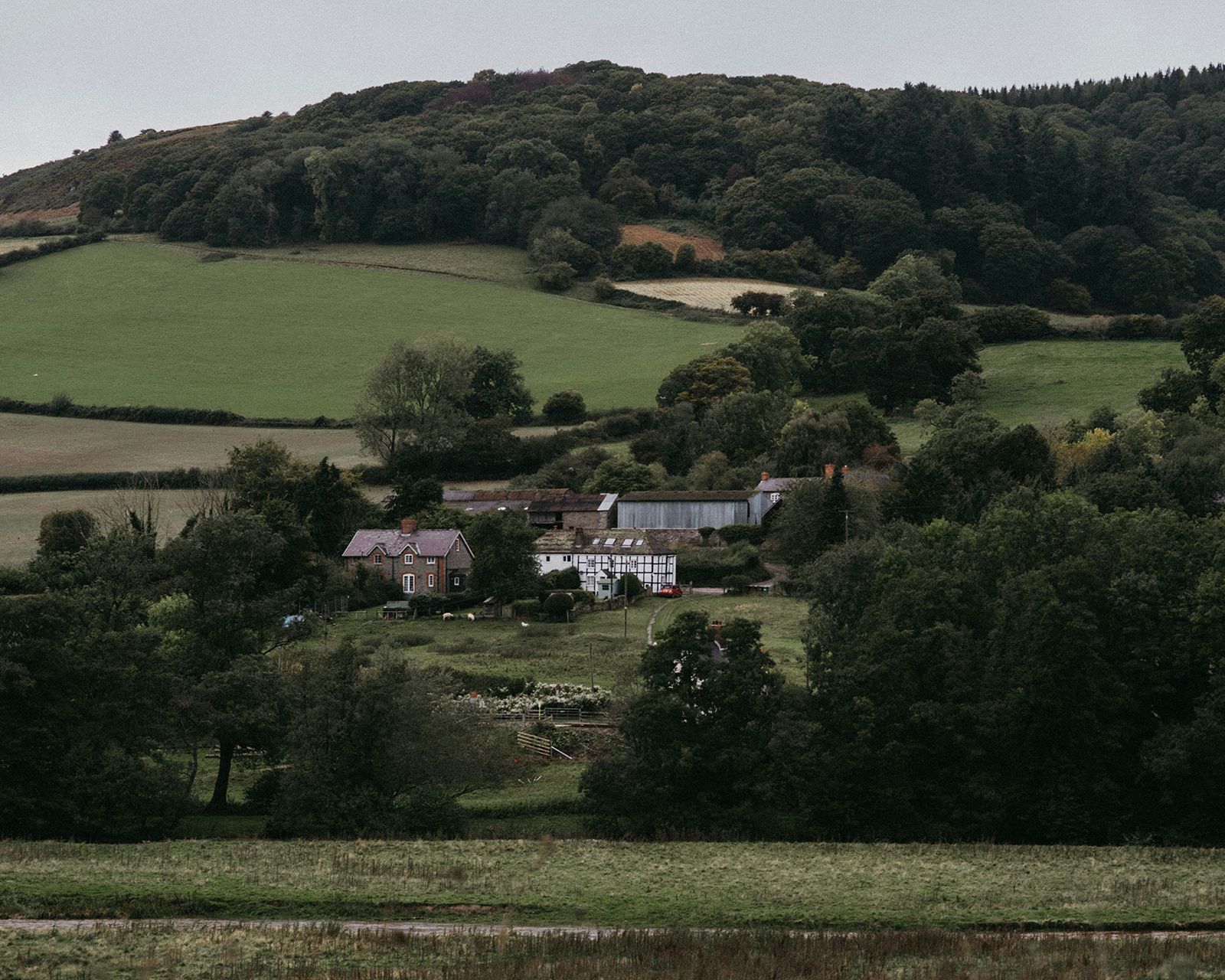
The main ambition of the Government’s sweeping planning reforms has been to create the conditions in which its ambitious target to deliver 1.5 million new homes can be met. The policy changes introduced to enable this create some significant new opportunities for the delivery of homes in rural locations. This is a welcome move, with many rural places severely lacking in the type of housing that will sustain rural communities and enable them to thrive.
With far more locations now considered suitable for development, new planning routes for smaller developments, and the more dispersed delivery of homes along with continued protections for the countryside, more areas will be able to enjoy the benefits of considered housing development.
So, what are the key changes and what do they mean for the rural sector?
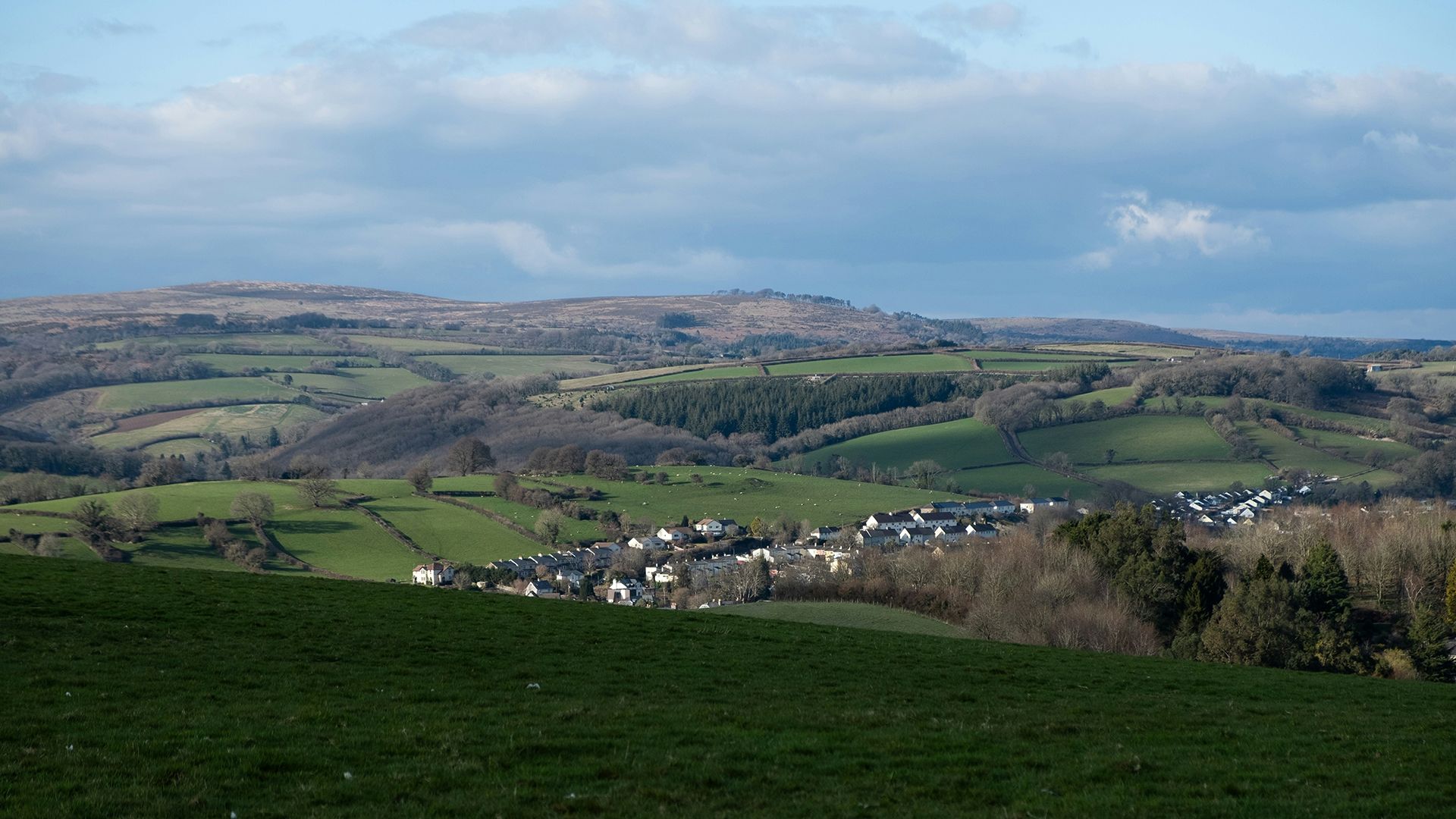
All villages sustainable locations for development
The new framework includes a clear presumption in favour of development of housing in sustainable locations within and, in some circumstances, outside of established settlements.
All villages – except for those in the Green Belt, are now classed as settlements. This is a key change from older versions of national planning policy.
Previously, local authorities were allowed to determine which settlements were sustainable for development. Many smaller rural villages were ruled out on a lack of service provision. This approach perpetuated the ongoing decline in rural service provision.
Hamlets remain a grey area, but one where there will be convincing cases to be made for new development in some instances.
Previously developed land
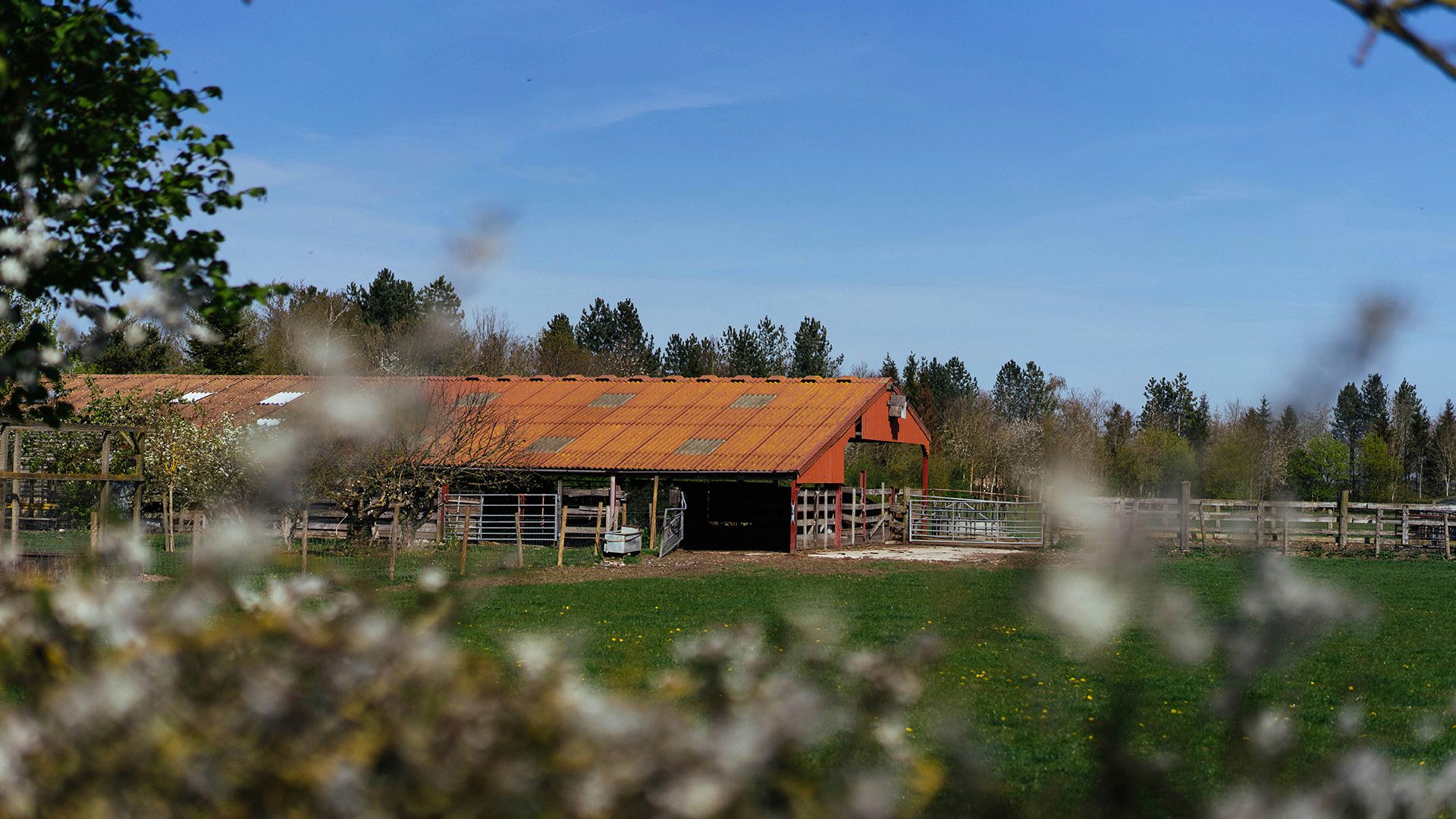
The redevelopment of previously developed ‘brownfield’ sites, outside of settlements, received support in the new Framework. This policy change could potentially benefit rural landowners with former agricultural sites outside of villages.
Permitted development rules for certain types of development not requiring a full planning application remain. These rules include some useful provisions for the conversion of farm buildings into homes.
Train stations
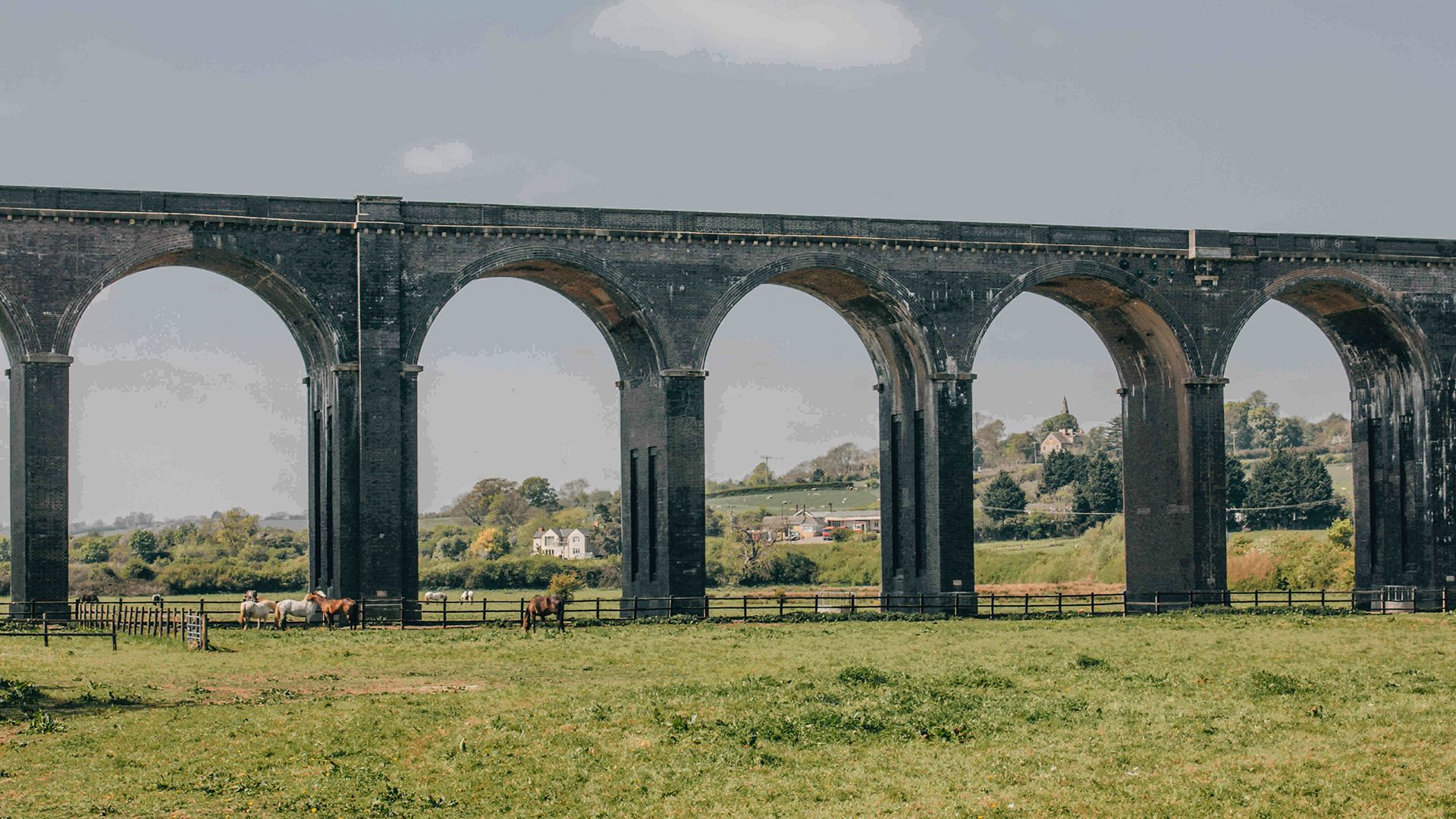
A headline-grabbing change relates to development proximate to certain train stations. Land within 800m of ‘well-connected’ stations will be a default ‘yes’ for housing development.
The areas and stations considered suitable for development have been broadened since the draft policy was released in December 2025. The list now includes the top 80 travel-to-work areas in the country. While these areas cover much of the country, locations need to be ‘well connected’ – defined as being served by at least four trains or trams per hour, ruling out many rural stations.
For those owning land near railway stations, in accessible town and city fringe locations, this could be a significant opportunity.
Small and medium sites
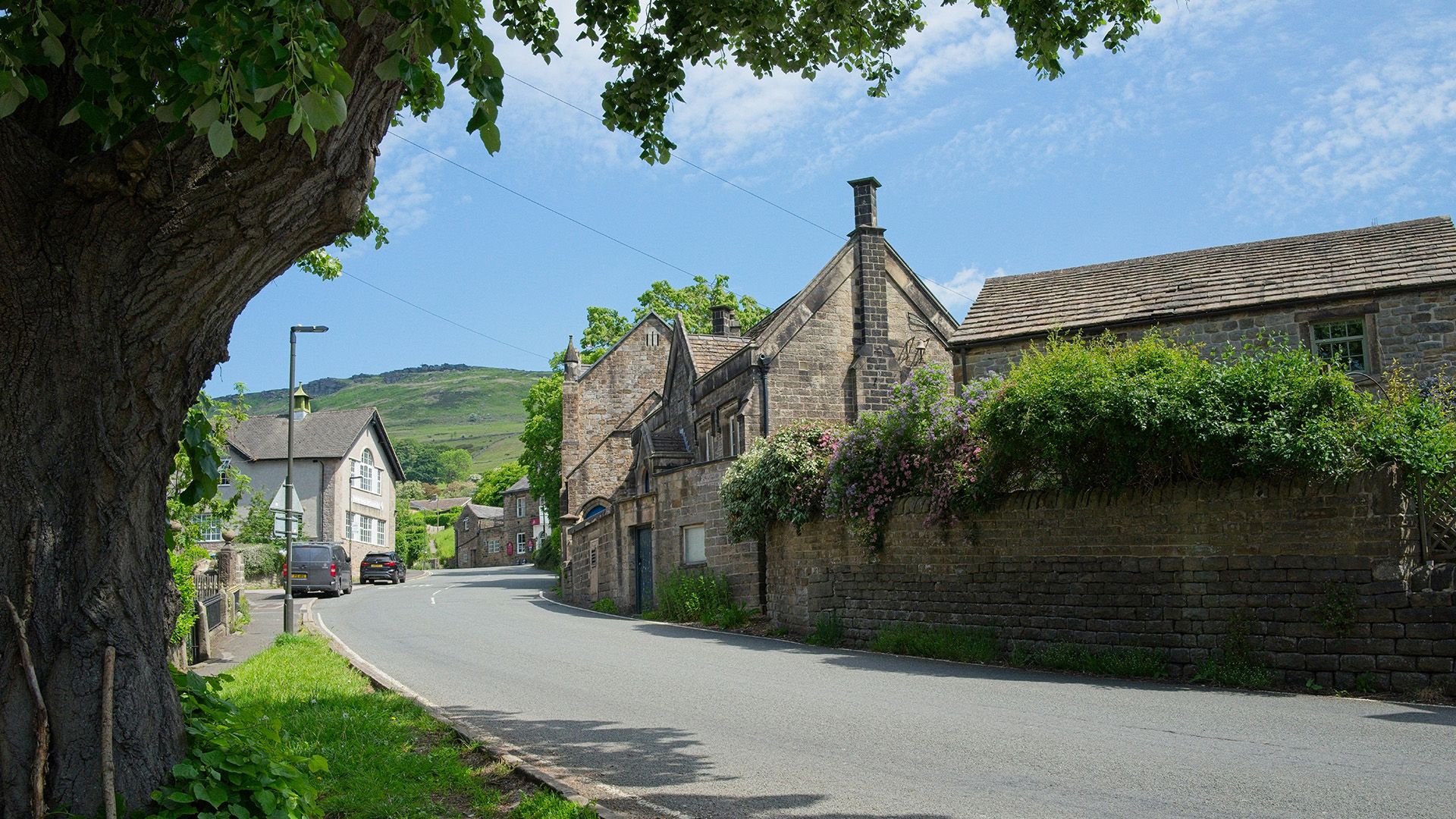
With many rural housing sites small-scale compared to those in urban locations, there is helpful provision for small developments. The Framework explicitly sets out the expectation that local authorities will "support and enhance the vitality of rural communities and enable villages to grow and thrive", with express support for small sites and a requirement that at least 10 per cent of allocated housing sites to be between one and two hectares in size.
The new Framework defines a medium development as one with 10 - 49 homes on a site of up to 2.5 hectares. This change is aimed at unlocking those sites that are considered too large to be classed as small-scale, but too modest to be treated like a major strategic site. This offers small and medium-sized housebuilders a clearer, less onerous route through the planning system, fewer technical evidence requirements, streamlined pathways, and support for building at higher density on sites of this nature.
Individual dwellings
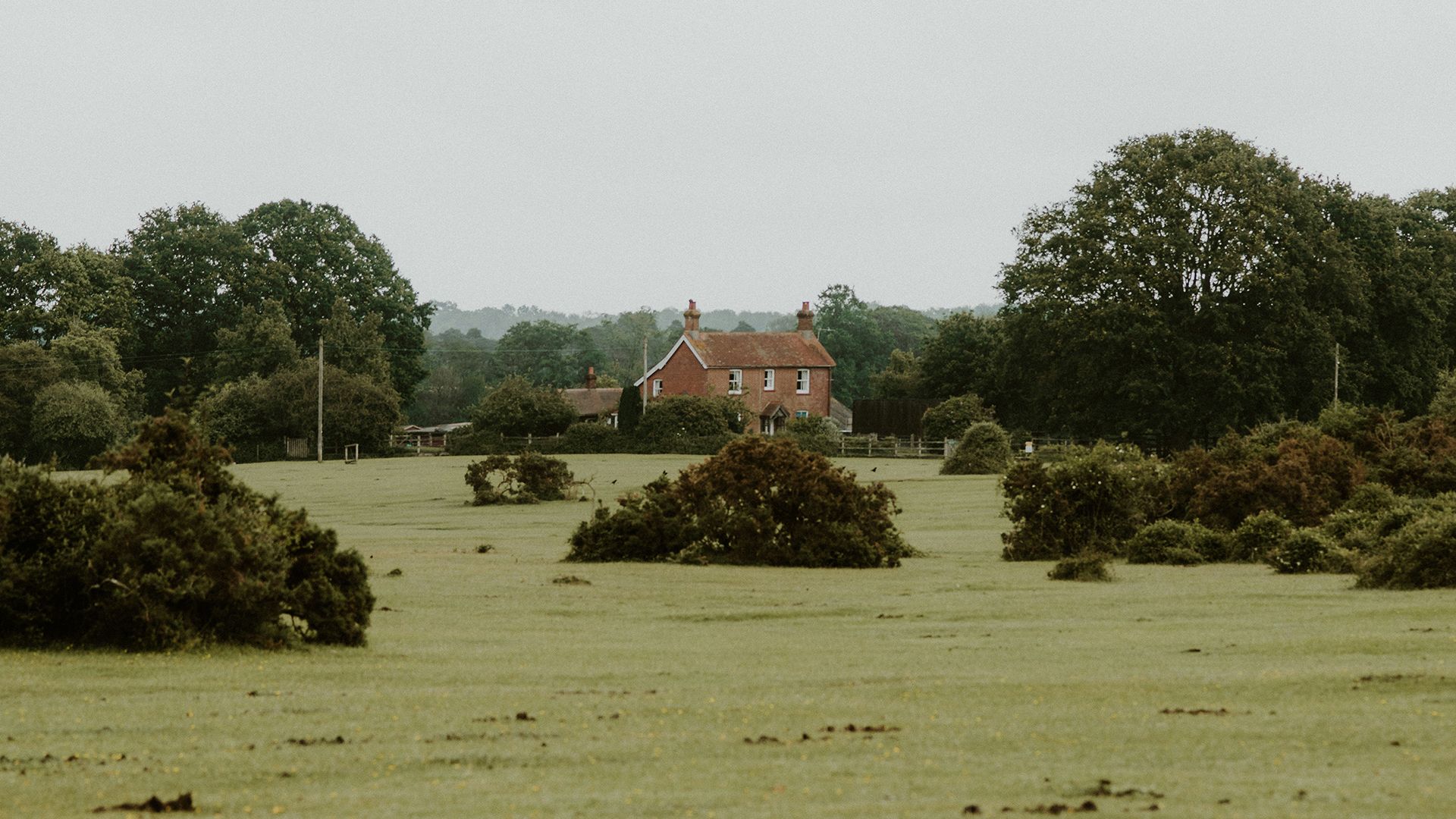
Most of the policy change is designed to enable housebuilding at scale. However, there is room for interpretation of the policies in relation to sites in settlements, smaller sites, and previously developed sites, which might open-up more plots for individual homes to be built.
The ‘exceptional country house’ clause remains, with its requirement for high architectural merit, and along with new national policy there will be more opportunities for those looking to build or remodel country houses. For those with more modest ambitions and a genuine tie to the location, whilst restrictions on the development of truly isolated rural dwellings remain, the Framework carries forward the route for new isolated dwellings where they are essential for a rural worker to live at or near their workplace.
Reconsider your site
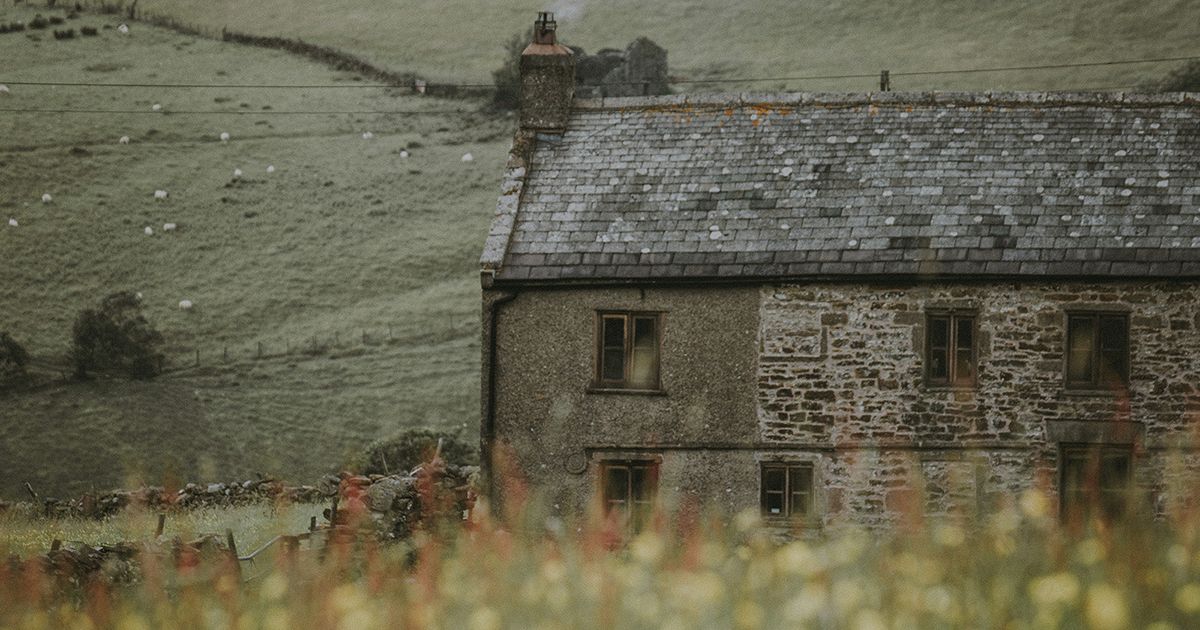
Overall, the policy changes mean that far more locations will be considered suitable for rural housing development. If you are a landowner with sites that have previously not been considered suitable, now is the time to revisit those to determine if anything has changed that could now unlock those sites.
If housing is not something you have considered before but you are interested to understand your options, again now is the time to act. As local authorities ‘catch up’ with the new national policy, the window of opportunity will narrow so early action is advised.
Get in touch
If you would like to discuss what opportunities might be for your land, please get in touch with the team info@ruralsolutions.co.uk or call 01756 797501.
You might also be interested in...



We are using cookies to give you the best experience on our website. You can find out more about which cookies we are using on our cookie policy.