
Protecting heritage assets through diversification
By Emily Leader | 06.08.26
Owning a great house or other heritage asset is a privilege and a responsibility.


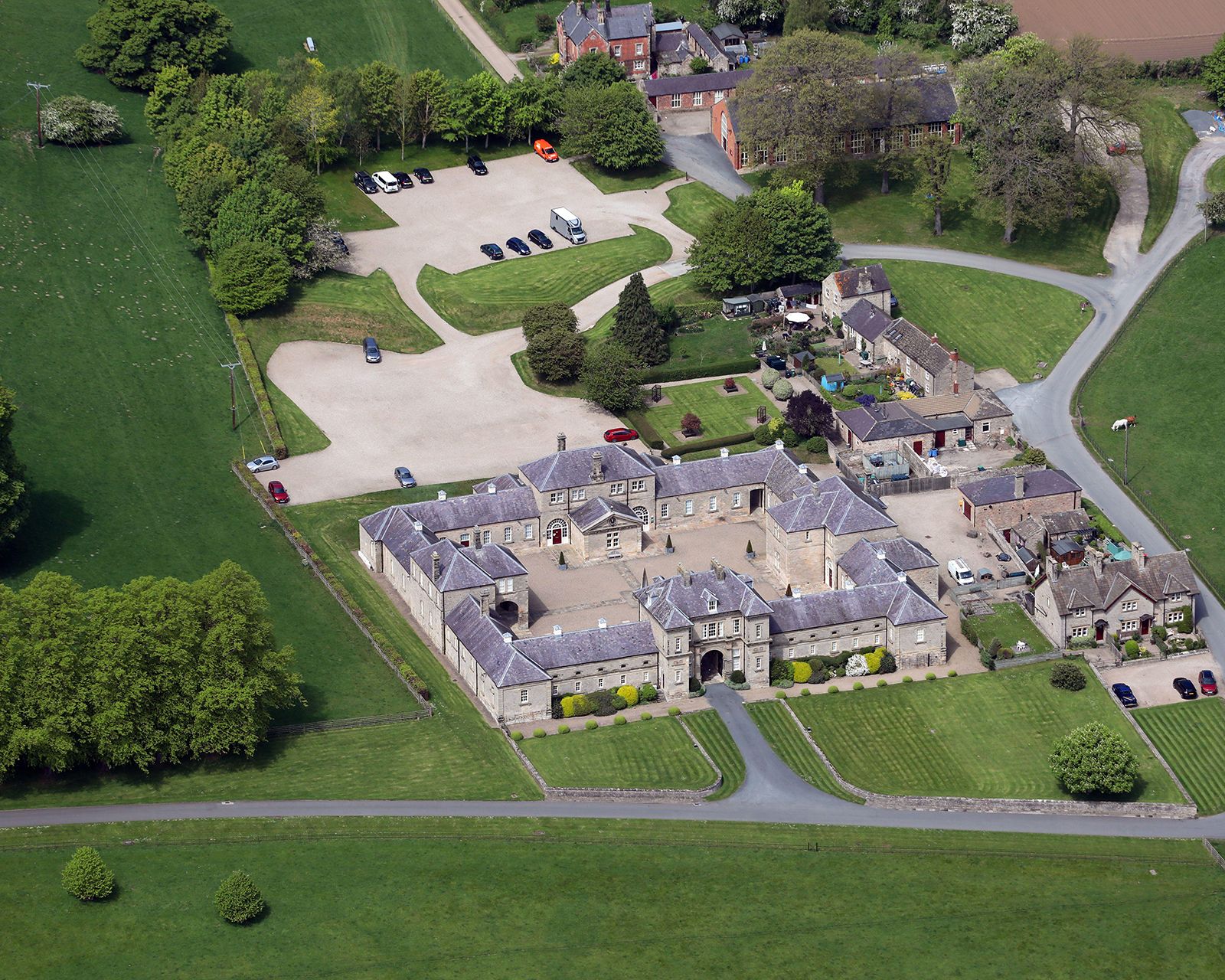
Image: Aske Stables (c) Alamy stock photo
Whether a listed country house, stable block, historic mill or walled garden; these buildings represent generations of history and are the heart of many rural estates.
Maintaining these precious assets has never been more challenging. Rising costs and falling incomes mean many estate owners are asking the same question: “How can we protect these important buildings for future generations?”
The answer is often shaped by the heritage assets themselves; incorporating them into diversification schemes or establishing activities and facilities nearby that can generate new income, with heritage buildings and landscapes as the backdrop.
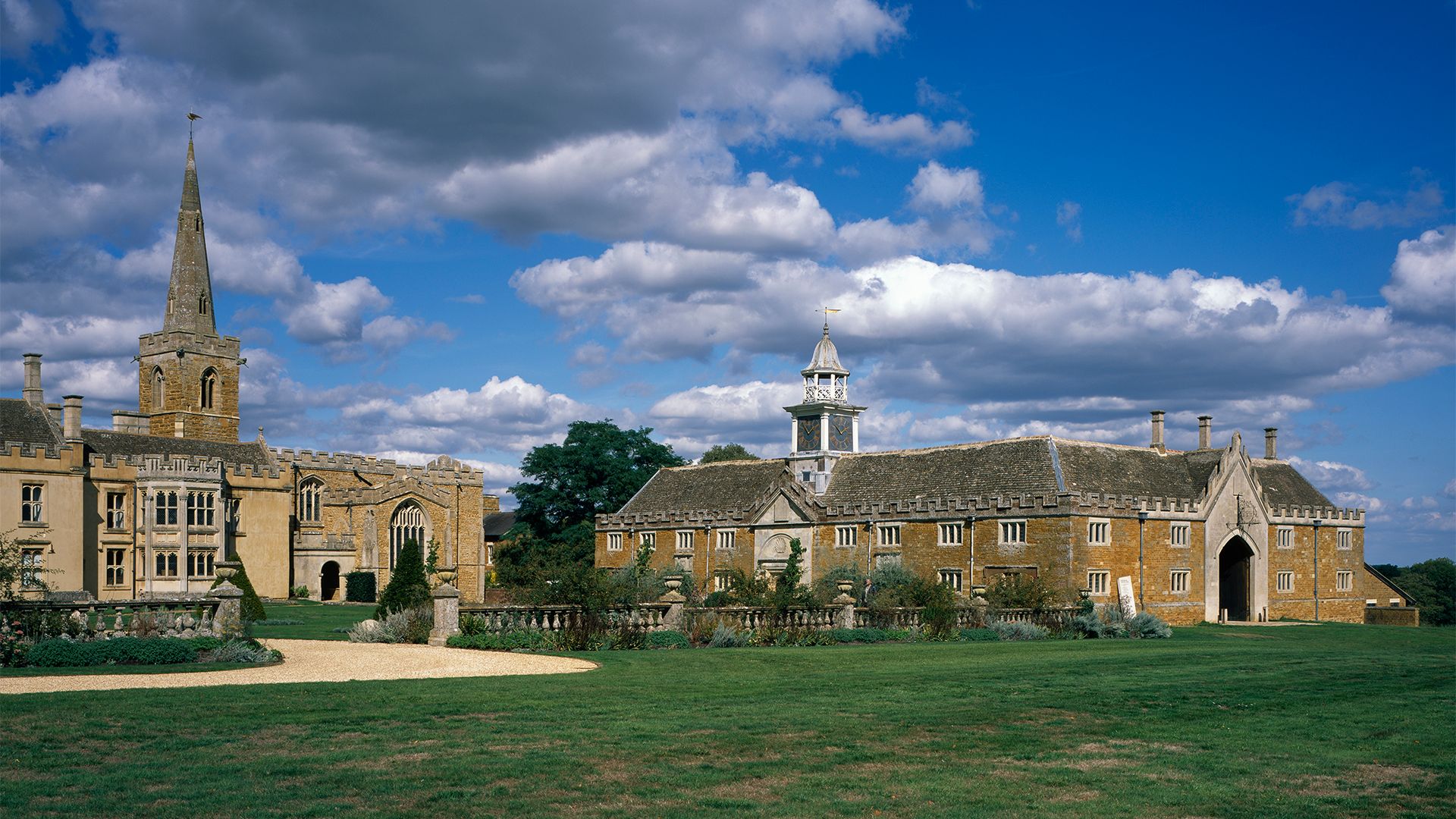
Image: Nevill Holt (c) Helene Binet
Where do you start?
Many of our conversations start with the need to deal with a heritage asset that is declining in condition and increasing in repair and maintenance costs. We help to identify opportunities that are commercially viable and sensitive to their surroundings. Every estate is different, but the starting point is always the same – understanding what is possible and appropriate in the context of sensitive rural settings, and the heritage buildings and landscapes that define them.
Options might include repurposing an underused heritage building to host visitor accommodation, retail or business facilities or other lettable space. In some cases, even the principal house is in play - as occasional group accommodation or event space – or transitioned wholescale to a new use such as a hotel.
Where the re-use of the heritage buildings themselves isn’t viable, the right scheme might be one that takes its lead from the setting but introduces new infrastructure that works alongside the old.
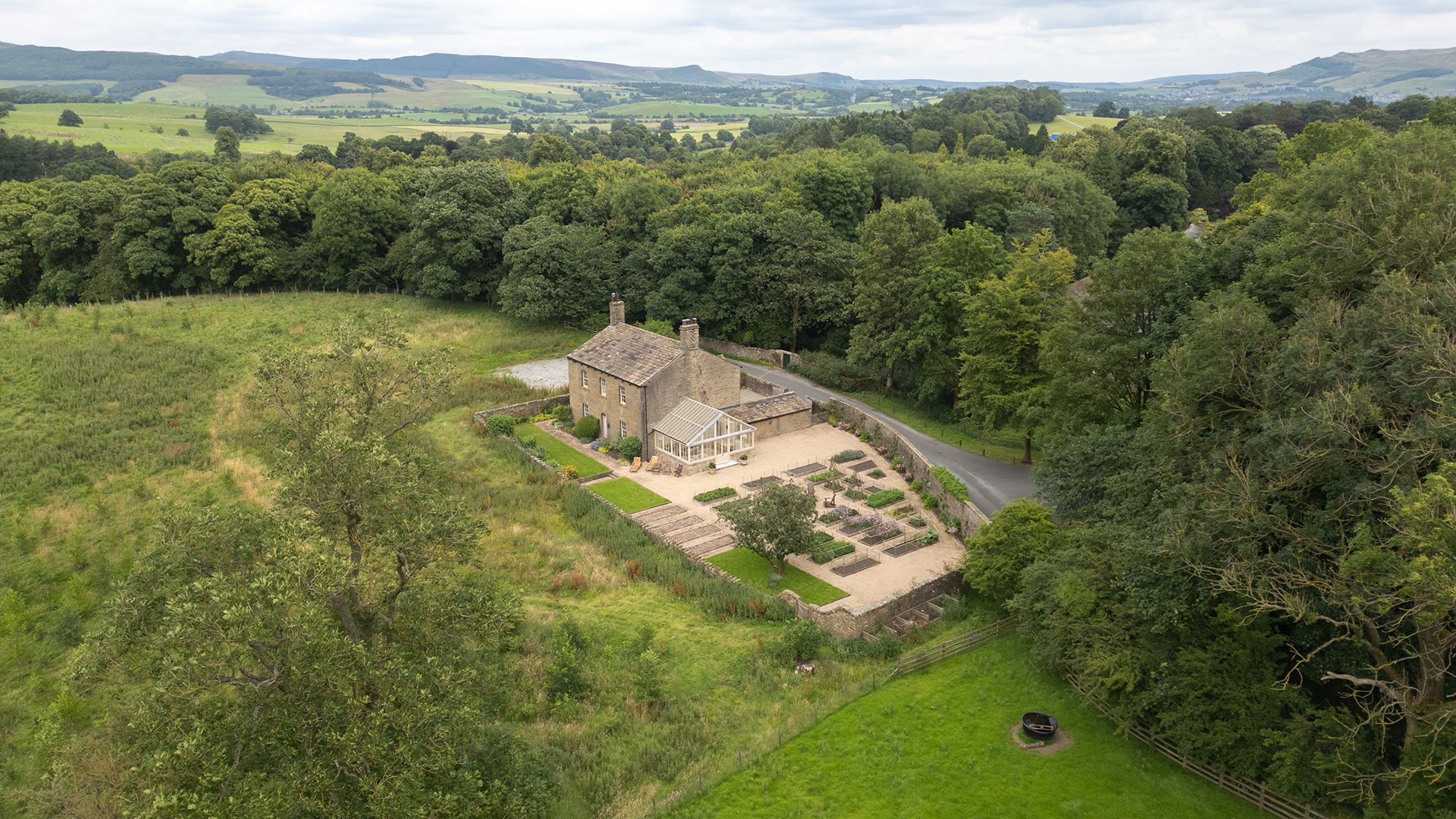
Image: The Manse at Broughton Sanctuary
How can heritage assets be reimagined?
Given the cost and complexity involved in repurposing heritage assets, testing an idea, proving demand and growing a business over time can be the best route to success. Phased delivery can reduce risk and create the confidence for future investment.
Planning can be challenging when it comes to heritage buildings, and whilst national policy supports the re-use of such buildings where it will contribute to long term upkeep and protection, the bar is set high in terms of sensitivity and quality of development. Various planning routes are available, and positioning development proposals as part of a wider strategy for historic estates is key.
Thoughtful design is important. Heritage buildings weren’t designed for modern commercial uses, so adapting them requires careful consideration of their architectural significance, landscape setting, access, parking and visitor experience. Sensitive design doesn’t mean schemes have to lack architectural ambition, and creativity ensures new uses can enhance, rather than detract from, the character of both the building and the wider estate.
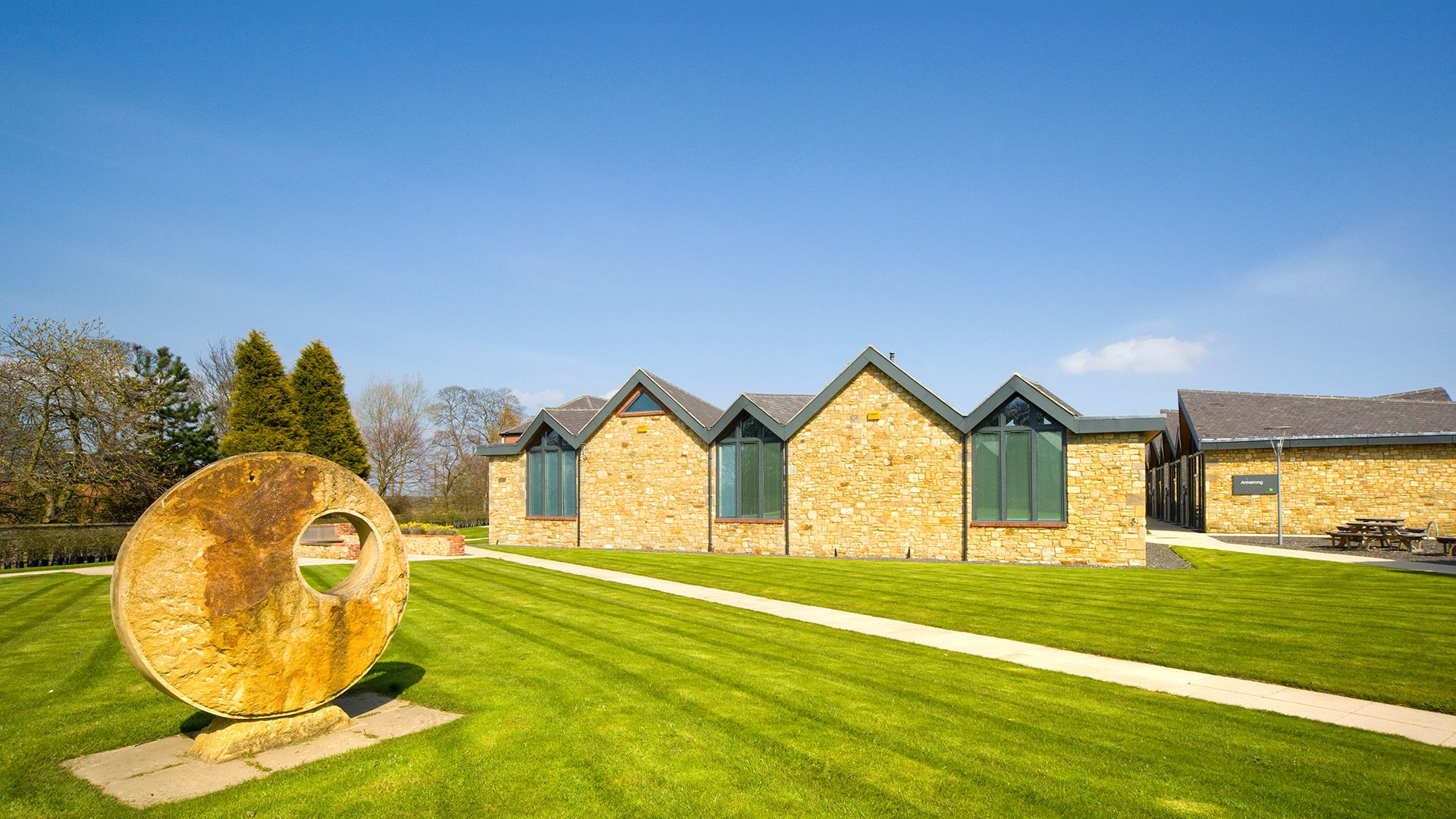
Image: The Business Park at Prestwick Park Estate
Success stories
Rural Solutions have supported the delivery of a number of successful diversification schemes that have seen the sensitive re-use of heritage assets kick start successful new rural enterprise:
- Nevill Holt Opera - a listed stable block transformed into an award-winning contemporary theatre;
- Aske Stables – transformation of a derelict Victorian stable block into high-specification modern business units, preserving its historic character and recognised with a RICS award;
- Prestwick Park, where a business park incorporating former farm buildings along with new structures, has created a sustainable income to support the Grade II* listed Prestwick Hall, and
- Broughton Sanctuary, where scores of estate buildings have found new life as business premises and leisure facilities, augmented by contemporary new build that complements the historic setting.
As these examples show, protecting our heritage isn't simply about preserving buildings, but ensuring they continue to play a meaningful role in the future of rural estates.
If you're considering the future of your estate's heritage assets but aren't sure where to begin, an early conversation can help identify the opportunities, assess the constraints and create a strategy that balances commercial success with long-term stewardship.
Get in touch
To find out more about our work with heritage assets and diversification of estates, please email info@ruralsolutions.co.uk.
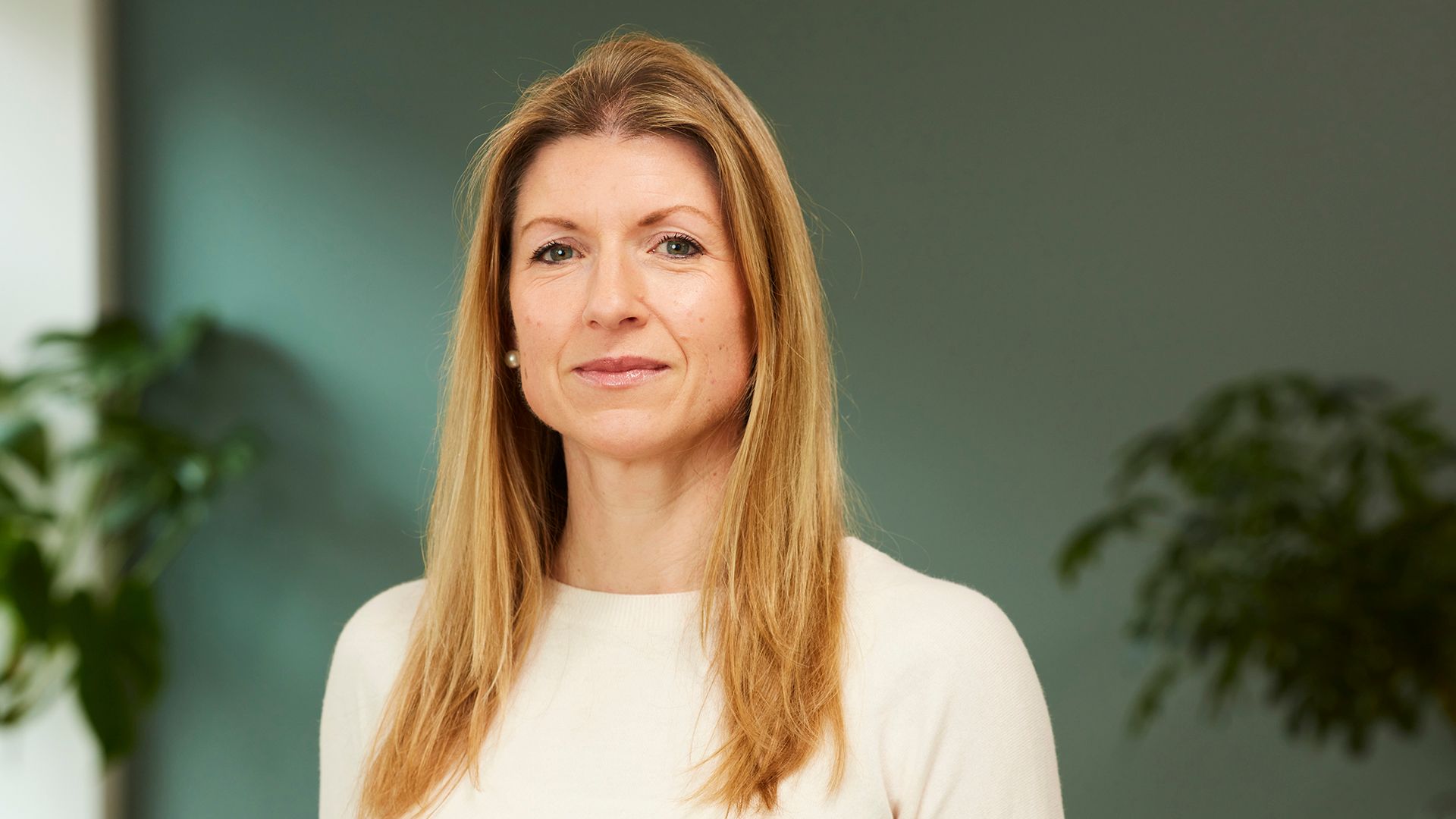
Emily Leader is an Associate Director (Private Client Lead) in our Consulting team. Link with Follow Emily on LinkedIn here.
You might also be interested in...



We are using cookies to give you the best experience on our website. You can find out more about which cookies we are using on our cookie policy.