
Why the coastline deserves a place in rural thinking
By Sally Ormiston | 04.08.26
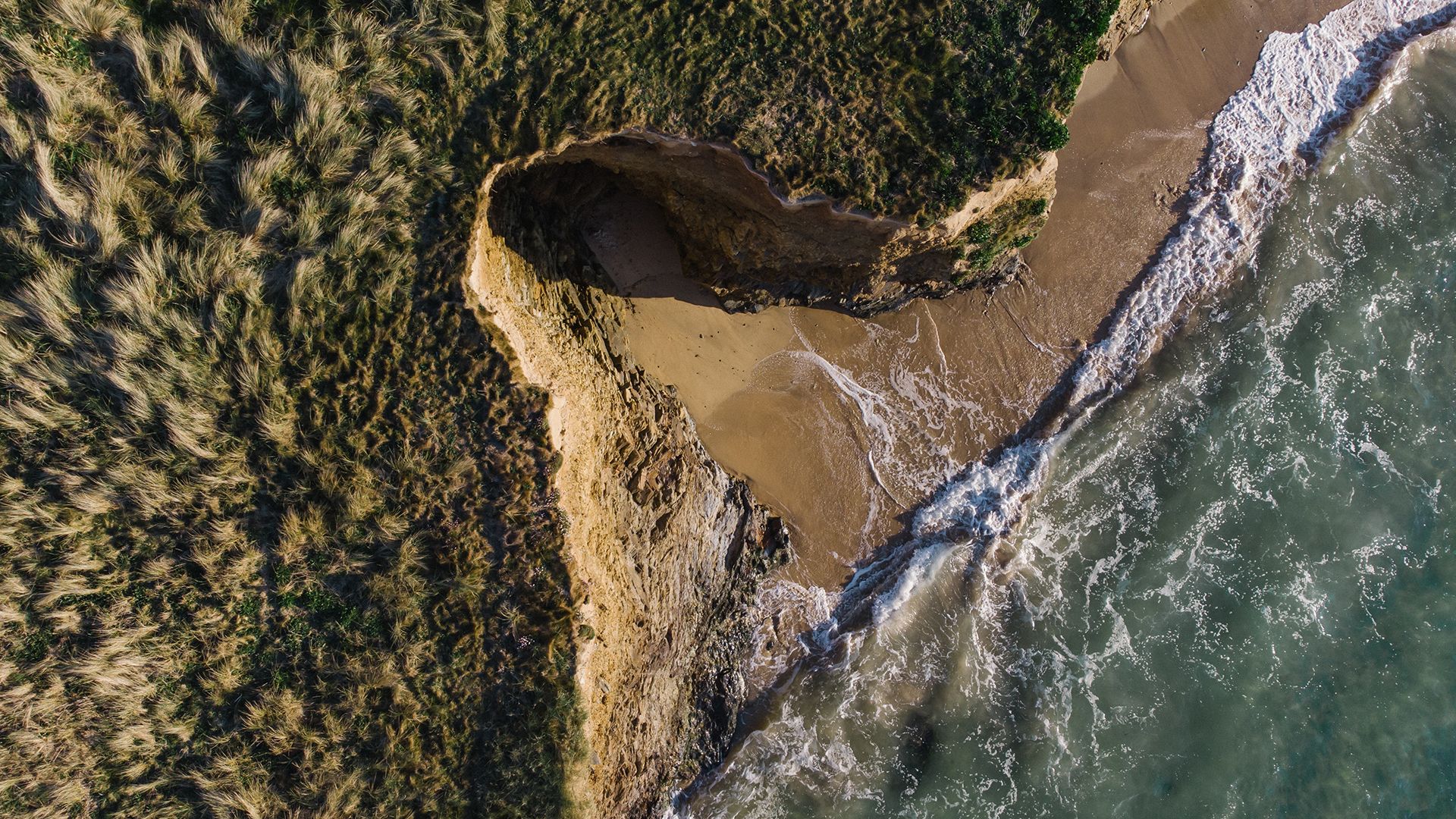
When people think of the countryside, the first things that come to mind are often the rolling hills, farmland and market towns. Yet, our coastline is every bit as rural, facing many of the same opportunities and challenges as inland communities.


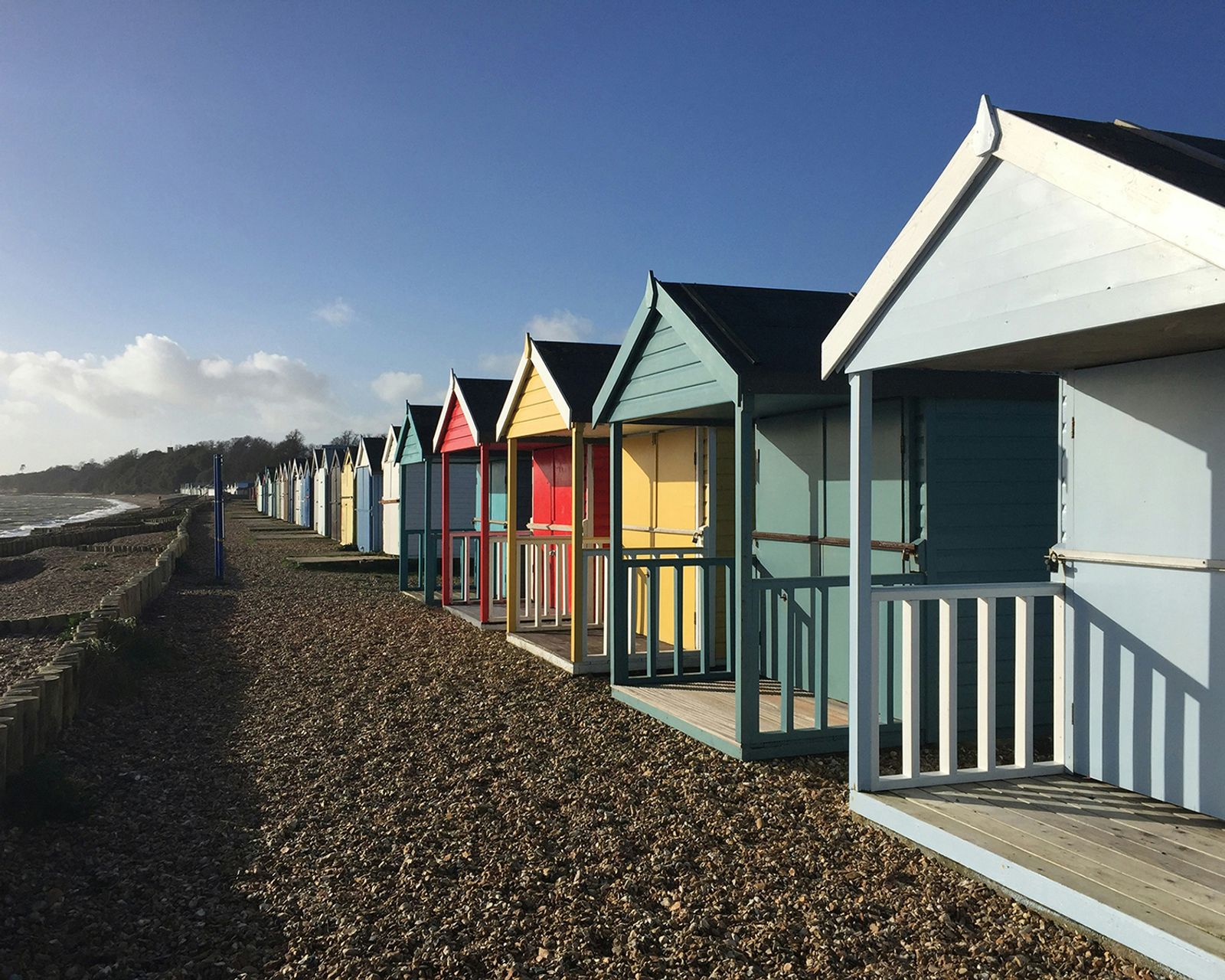
Visit England’s new 'My Coast Has the Most' campaign is shining a spotlight on the importance of England's coastal destinations, encouraging more people to explore the country's diverse coastline and support local economies. The initiative recognises that coastal tourism is about more than summer holidays - it's about sustaining year-round businesses, creating jobs and celebrating the unique character of rural coastal places.
The coastal appeal
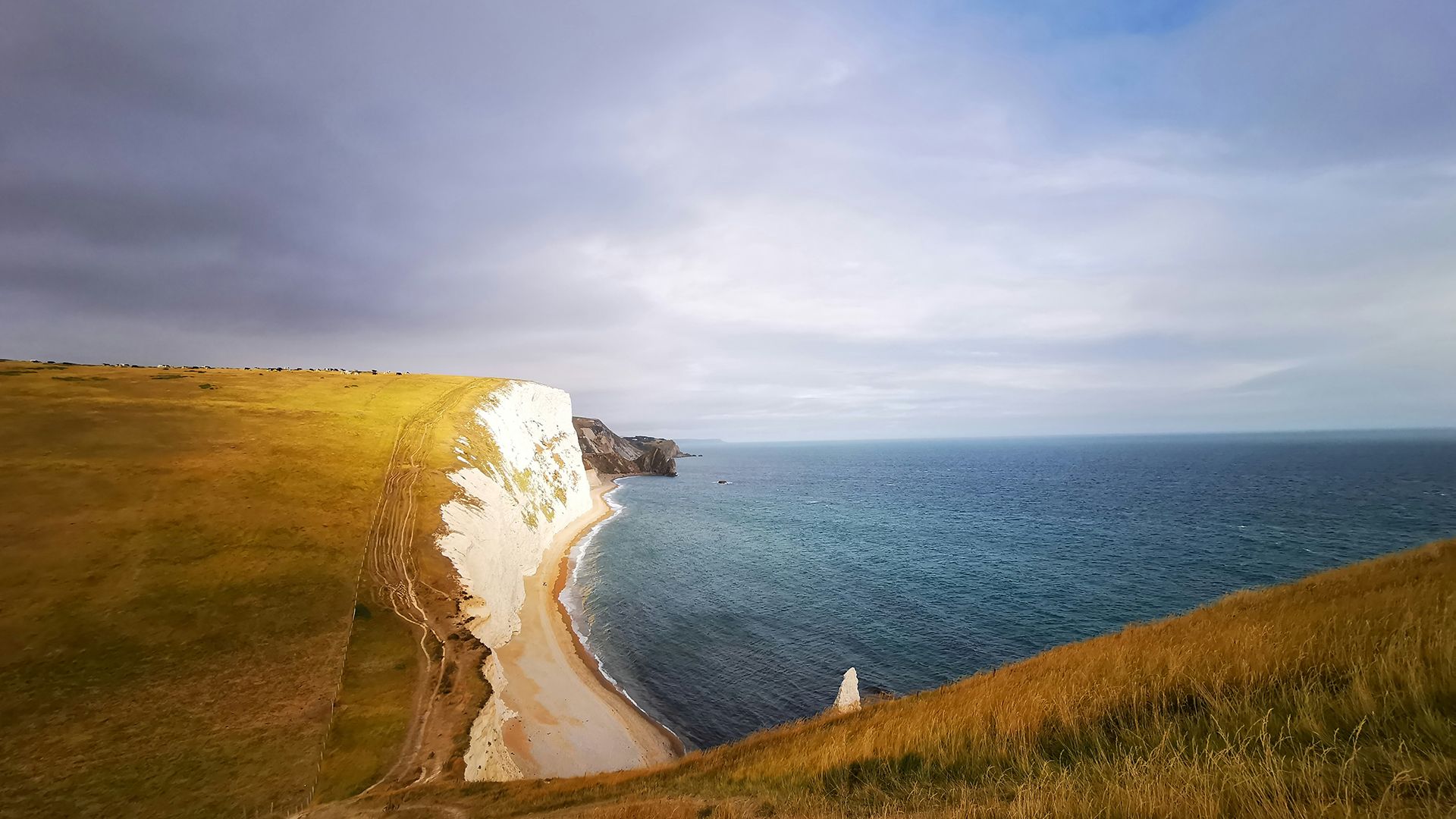
For those who own or aspire to own land and property in coastal locations, the attractions are many. Most obvious are the sea views and landscapes that provide stunning backdrops for aspirational homes and vast playgrounds for outdoor enthusiasts.
The enduring appeal of the coast to visitors for day trips and longer stays makes the opportunities for leisure and tourism experiences many and varied, with the increased popularity of activities like cold water swimming, paddleboarding, and wake-surfing attracting a new demographic of visitors to UK beaches.
The climate, landscapes and natural environment, rich in habitats and biodiversity, are an inherent part of the appeal and must be protected, and can support innovative aquaculture, agriculture and renewable energy.
Evolving coastal communities
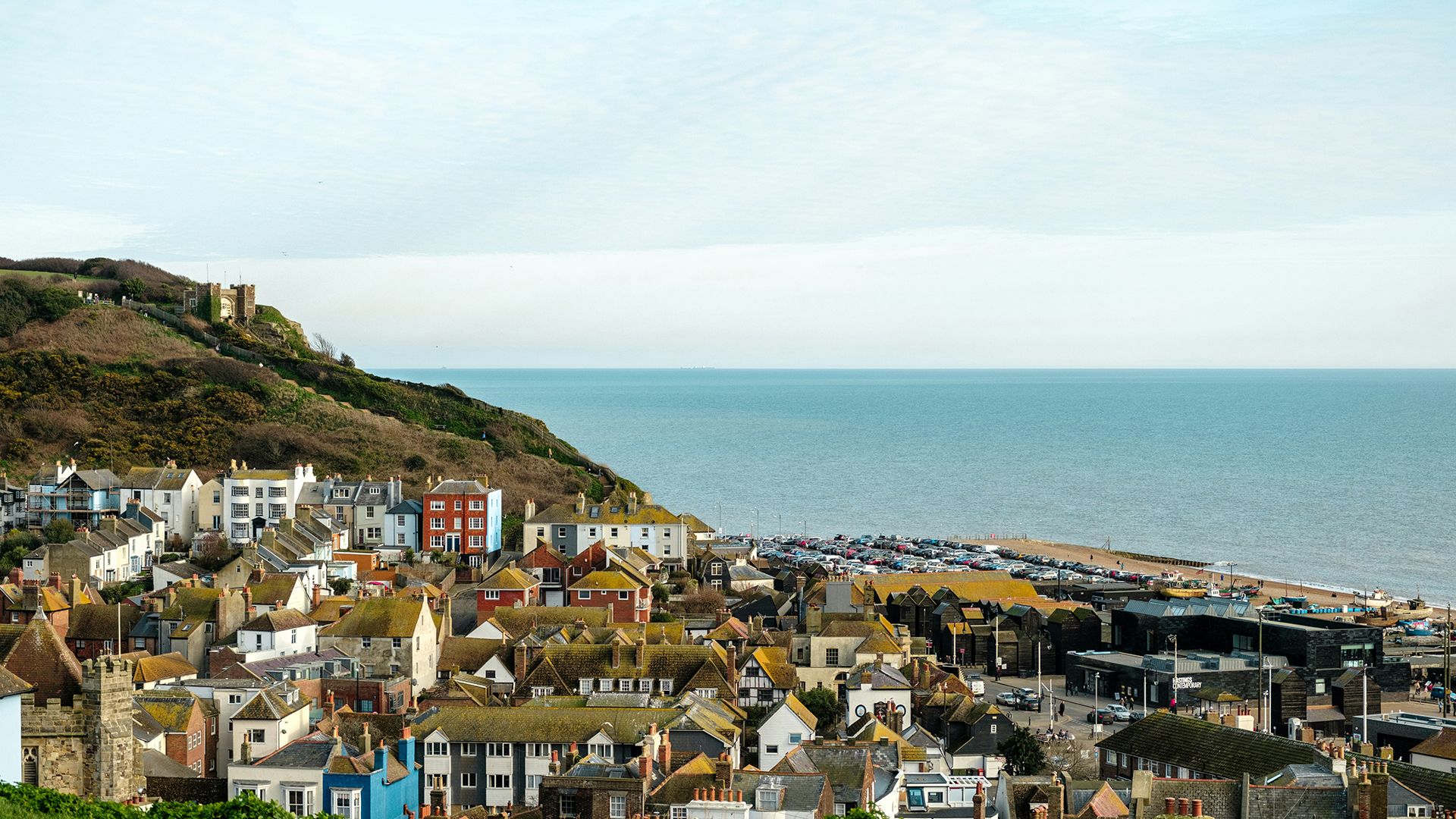
From vibrant harbour towns to remote stretches of shoreline, coastal destinations often balance the same priorities as inland rural areas. They also need to deliver much-needed homes, support local businesses, protect landscapes and ensure communities remain resilient for future generations.
Coastal locations also bring their own distinctive planning challenges. Climate resilience, flood risk, coastal erosion, tourism pressures, seasonal economies and the protection of sensitive habitats all influence how development is planned and delivered. Successful projects require a careful balance between supporting economic growth and safeguarding the environmental assets that make these places so special.
Increasingly, the future of England's coast is being shaped by long-term thinking. National investment in coastal adaptation is helping communities prepare for the impacts of climate change, while local authorities are exploring innovative approaches to regeneration, placemaking and environmental resilience.
Coastal developments
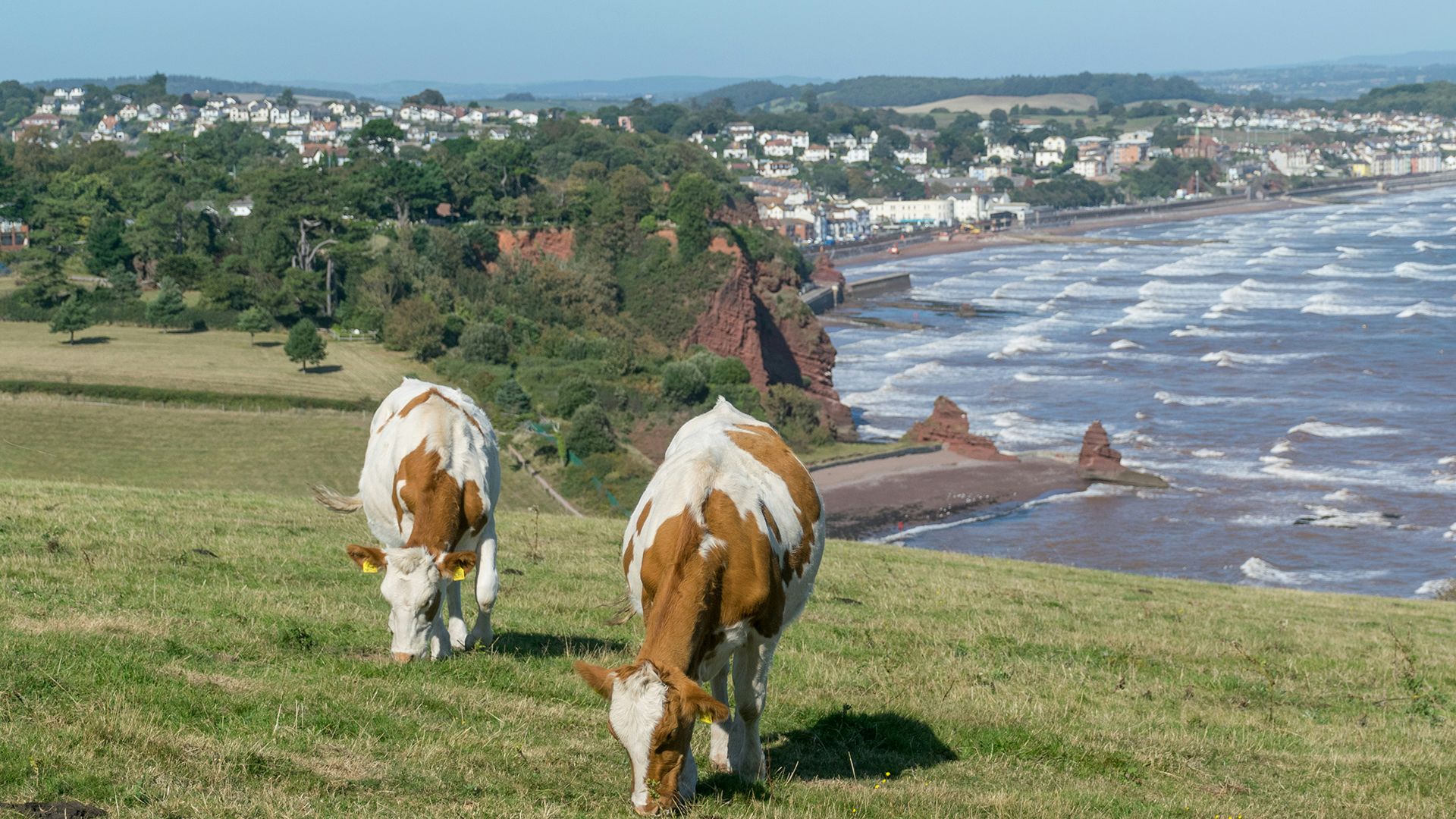
Well considered, sustainable development – of homes, businesses, leisure and tourism experiences, is a key appeal of coastal locations, as well as an important contributor to the viability of these communities.
At Rural Solutions we have helped to create many fantastic coastal developments that bring benefits to their location, with each one responding to its setting to create functional and beautiful spaces. Whether preparing planning strategies, supporting regeneration programmes or advising on rural housing and economic development, our focus is on creating thriving communities that work for residents, businesses and visitors alike.
The growing national focus on coastal destinations is a timely reminder that these communities are not separate from the wider rural economy - they are an essential part of it. As investment, tourism and environmental priorities continue to evolve, thoughtful planning will play an increasingly important role in ensuring coastal places remain prosperous, resilient and distinctive.
The UK’s coastline is home to vibrant rural communities with rich histories, ambitious futures and an increasingly important role to play in the country's economic and environmental success.
Get in touch
To find out more about our work in coastal communities please email info@ruralsolutions.co.uk.

Sally Ormiston is a Director at Rural Solutions
Follow Sally on LinkedIn here.
You might also be interested in...




We are using cookies to give you the best experience on our website. You can find out more about which cookies we are using on our cookie policy.